What Is a Stair Lift for Elderly People?
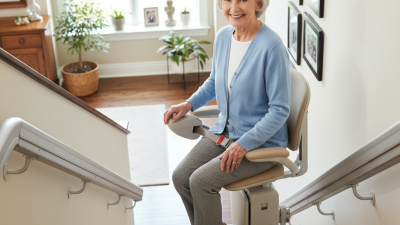
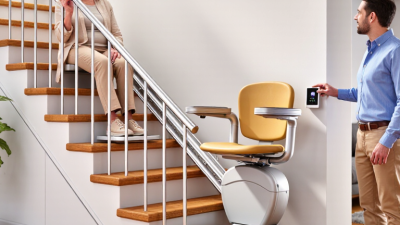
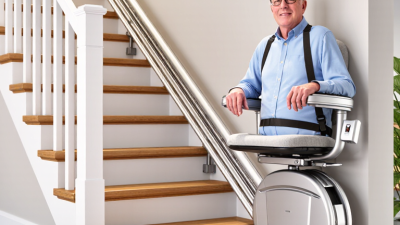
A Stair Lift For Elderly people is a powered seat that travels along a rail fitted to a staircase. It can make one floor more accessible when climbing steps becomes tiring, painful, or unsafe. The rider sits, fastens the seat belt, and uses a switch or control to move between floors. The lift follows the stairs. It does not carry the person while they stand or walk.
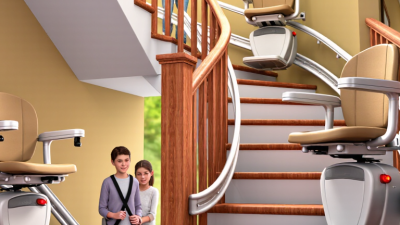
Some models are designed for straight staircases, while curved stairs usually require a rail made to fit their shape. Features may include a swivel seat, folding footrest, obstruction sensors, and controls on the armrests. These details matter in a narrow hallway, where a parked lift can affect other people’s access. A trained professional can assess the staircase, the user’s mobility, and suitable installation options. A clinician or occupational therapist may also help identify relevant safety concerns.
A lift can reduce the physical effort of using stairs. It cannot remove every risk. Getting on and off the seat still requires balance and planning, and the right choice depends on the person and home. That part is easy to overlook. This guide explains how stair lifts work, what types and features are available, and what to consider before choosing one. It also looks at installation, everyday use, and maintenance, so families can ask informed questions rather than rely on a product description alone.
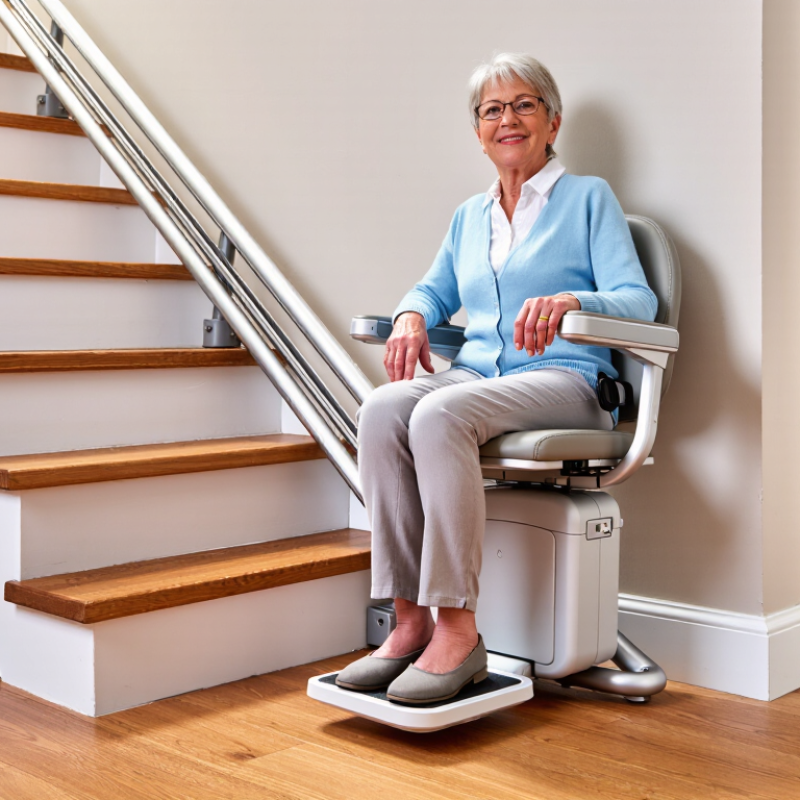
What a Stair Lift Is: A Powered Chair or Platform on a Stair-Mounted Rail
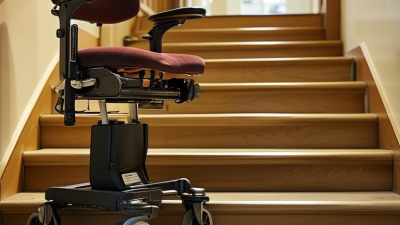
A stair lift is a powered seat or platform that travels along a rail fixed to a staircase. A seated rider uses controls to move between floors; a wheelchair user may need a platform model. The rail follows the stair’s angle, while the seat and footrest often fold away when not in use. It is not an elevator. The distinction matters in narrow hallways.
The CDC reports that about one in four adults aged 65 and older falls each year. A stair lift can reduce the need to climb stairs, but it does not remove every fall risk or replace a safe transfer. AARP’s 2021 Home and Community Preferences Survey found that 77% of adults aged 50 and older want to remain in their homes as they age. A lift may support that goal, though stair shape, landing clearance, and the rider’s mobility affect whether it fits. One detail is easy to miss: the rail occupies space on the steps.
Tips: Ask an installer to measure the staircase and check safe entry and exit points. Test the controls and seat belt. Also ask how the lift operates during a power outage; battery backup varies by model.
What Is a Stair Lift?
A stair lift is a powered device that carries a person along a rail mounted to a staircase. Chair lifts carry a seated passenger, while platform lifts carry a wheelchair or standing passenger on a platform. Features can vary by design.
How It Works: The Rail, Drive System, Controls, and Safety Sensors
A stair lift moves along a rail fitted to the staircase, carrying a seated passenger between floors. The rail is measured to match the stairs, including curves or landings where needed. A careful fit matters: a poorly positioned rail can make entry and exit awkward. The chair usually folds when not in use, leaving more room on the steps.
The drive system sits in or beneath the chair and moves it along the rail. Depending on the design, it may use a geared motor and a rack or another drive mechanism. The rider operates simple controls, often on an armrest; call controls at the landings can bring the chair up or down. Some lifts use batteries, but backup operation and charging arrangements vary. Ask an installer to explain what happens during a power cut.
Safety sensors are meant to stop the lift if the footrest or carriage meets an obstruction, such as a shoe or a dropped bag. A seat belt helps keep the rider seated, while a swivel seat can make getting on and off easier at the top landing. Small details matter. Sensors do not replace a clear staircase or careful use, and their placement differs by model. It is worth checking the controls, belt, and stopping points during a professional assessment.
Who May Benefit: WHO Reports 684,000 Fatal Falls Worldwide Each Year
What Is a Stair Lift for Elderly People?
A stair lift is a motorized seat that travels along a rail fixed to a staircase. It can help someone with limited strength, balance, or joint movement reach another floor without climbing each step. The need is significant: the World Health Organization reports about 684,000 fatal falls worldwide each year. Older adults face a particularly high risk of serious injury from falls. That matters. A stair lift may reduce the strain and exposure involved in using stairs, but it cannot prevent every fall or replace personal care.
A home assessment can help determine whether a stair lift suits the person and the staircase. A clinician or occupational therapist can also consider balance, transfers, and other fall risks. Clear landings, secure handrails, good lighting, and uncluttered steps remain important. A device can help, but it is not a complete safety plan. It may also feel awkward at first, especially when getting on or off the seat; practice and a careful fit matter.
Tips: Keep the stairway clear, turn on lights before using it, and follow the device’s safety instructions. Sit fully before operating the lift, and avoid carrying bulky items that could affect balance. Ask a qualified professional to check whether the layout and the user’s needs are appropriate.
Which Type Fits: Straight, Curved, and Platform Stair Lifts
What Is a Stair Lift for Elderly People?
Choosing between straight, curved, and platform stair lifts starts with the staircase and the rider’s mobility. AARP’s 2021 Home and Community Preferences survey found that 77% of adults aged 50 and older want to remain in their homes as they age. A suitable lift can support that goal, but the right fit depends on more than age.
A straight stair lift follows a single, uninterrupted flight and usually uses a simpler rail. A staircase with a bend or intermediate landing typically needs a curved rail, measured and made to follow its shape. For someone who stays in a wheelchair, a platform lift carries the chair along the stairs; it needs enough room at the top and bottom. Real homes are rarely diagram-perfect. A door swing, radiator, or narrow landing can change what works, so an on-site assessment matters.
Tips: Measure clear stair width and landing space, and consider transfers, weight capacity, and backup power. Ask an installer to check the full route with doors open. A neat fit on paper may still feel awkward in daily use. That detail deserves a second look.
Safety Standards: EN 81-40:2020 Covers Stairlifts and Inclined Lifting Platforms
A stair lift carries one seated passenger along a rail fixed to a staircase. EN 81-40:2020 sets safety requirements for stairlifts and inclined lifting platforms intended for people with impaired mobility. It covers construction, installation, maintenance, and dismantling. The standard matters because a lift must work safely in a real home, not just on paper. The US Centers for Disease Control and Prevention reports that more than one in four adults aged 65 and older falls each year. Small details matter.
A qualified assessment should consider the stair’s shape, available landing space, and the user’s ability to transfer onto the seat. The seat belt, footrest, controls, and obstruction response also deserve close attention. EN 81-40:2020 supports safer design and installation, but it cannot decide whether a particular lift suits someone’s needs. A tidy checklist cannot capture every awkward landing or difficult transfer. Fit matters.
Tips: Before installation, walk the route with the assessor. Point out narrow steps, doors, and places where the user needs to turn. Ask for the applicable conformity documents and maintenance guidance, then test the controls with the user present.