How to Choose the Best Stair Elevator for Your Home?
Choosing a Stair Elevator begins with a practical question: what will make the stairs safer and easier to use every day? The need is real. The CDC reports that about one in four U.S. adults aged 65 and older falls each year. AARP’s 2024 Home and Community Preferences Survey found that 75% of adults aged 50 and older want to remain in their homes as they age. These figures do not mean every household needs a stairlift. They do show why planning for changing mobility matters.
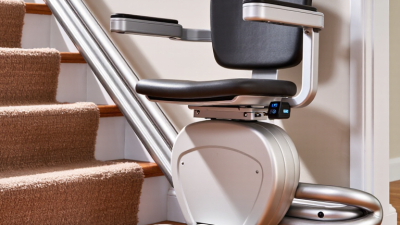
AARP housing and community researcher Rodney Harrell has emphasized that many older adults want to stay in their homes as they age. That goal should guide the choice, alongside advice from a qualified installer or occupational therapist. Look closely at the staircase: Is it straight or curved? Is there a narrow landing, a doorway, or a radiator near the track? Consider the rider’s balance, ability to transfer onto the seat, and comfort using the controls. Small details matter. A seat that swivels at the top, a reachable call control, and a suitable safety belt can affect daily confidence.
Price matters, but it is not the whole decision. Compare installation requirements, warranty coverage, service availability, weight capacity, and what happens during a power outage. Ask for an in-home assessment and a clear written quote. A brochure cannot show every awkward turn in your hallway. And buyers can overlook how much space a folded seat still occupies. The best fit is the one that works with the home and the rider—not simply the model with the longest feature list.
Understanding Your Mobility Needs and Staircase Layout
Choosing a stair elevator starts with the person who will use it, not just the staircase. Consider whether they can sit down, bend a knee, and transfer safely from a chair. Note if pain, balance, or fatigue changes during the day. A handrail may help now, but needs can shift. Be honest about that. Also consider who else uses the stairs and whether a parked seat would obstruct their route. Small details matter.
Then examine the staircase in daylight. Measure its clear width, including handrails, and note every turn, landing, doorway, and nearby obstruction. A straight flight and a staircase with a tight curve may need different equipment and installation plans. Measure twice. A tape measure can miss a skirting board or radiator that narrows the usable space. Take photos from both ends, but do not treat them as a substitute for an on-site assessment. Ask a qualified installer to check clearances, power access, and how the seat folds when not in use. If measurements seem uncertain, say so; guessing can lead to a poor fit. The best choice should match the user’s daily routine and the home’s actual layout, not an idealized floor plan.
Comparing Stair Elevator Types and Configurations
How to Choose the Best Stair Elevator for Your Home? Comparing Stair Elevator Types and Configurations
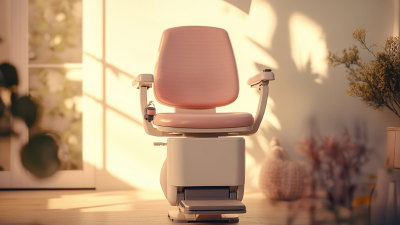
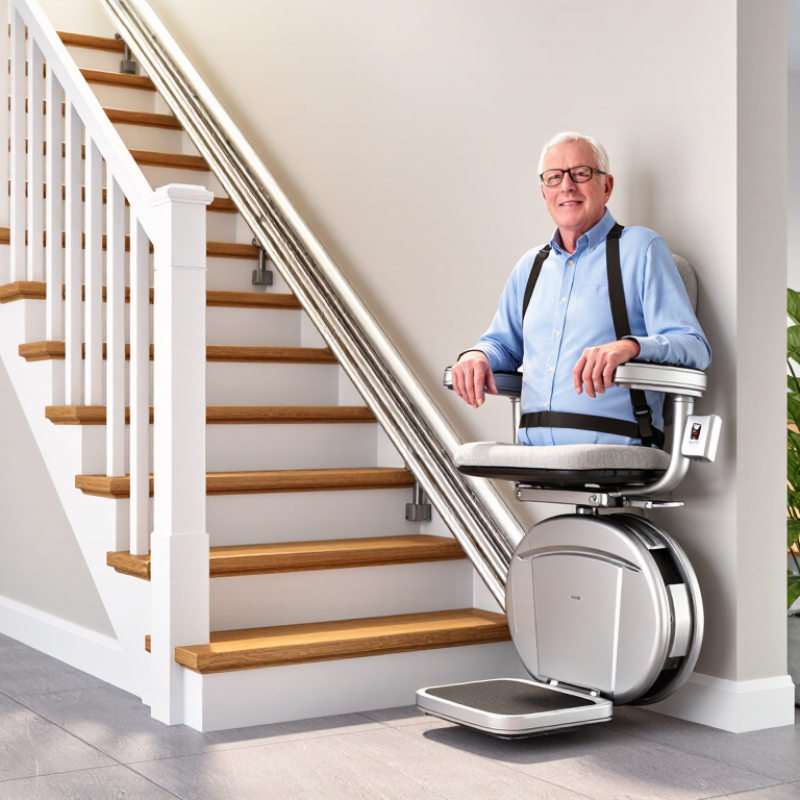
A straight-rail chair lift suits a staircase with no turns or landings. Its rail follows the steps, often making installation simpler. A curved-rail model is made to match bends, intermediate landings, or spiral stairs; measure each turn carefully, since a tight hallway can limit the chair’s parking position. For wheelchair users, a platform lift may be more suitable, but it needs more stair width and clear landing space. CDC reports that about one in four adults aged 65 and older falls each year. A lift does not remove every risk, so check seat belts, swivel-seat access, footrest clearance, and backup power with a qualified installer.
Tips: Measure the narrowest stair point, not just the top and bottom. Sit in a sample chair if possible. The rail can obstruct a doorway or walking route when parked; that detail is easy to miss. AARP’s 2021 Home and Community Preferences survey found that 77% of adults aged 50 and older want to remain in their homes long term. Still, the best configuration depends on the user’s balance, transfer ability, and daily routine—not just the staircase shape.
Checking Safety Features, Comfort, and Accessibility
A stair elevator should make daily movement safer, not add a new obstacle. Ask a qualified installer to measure the staircase, including narrow turns and doorways. The rail must leave enough room for other people to use the stairs. Check for a seat belt, a footrest sensor, and controls that stop the lift if something blocks its path. Ask how the lift behaves during a power outage; backup options vary by model. Safety details matter.
Comfort affects whether someone will use the lift consistently. Sit in the seat and test the armrests, footrest, and control position. A swivel seat that locks at the landing can make getting on and off easier, but it still needs enough clear space. Think about the rider’s balance, reach, and ability to transfer from a wheelchair or walking aid. A small detail, such as a control that is hard to press with stiff fingers, can become a daily frustration. I would not assume a showroom demonstration answers every question: try the controls in the home, and ask what maintenance and emergency assistance are available.
Evaluating Installation Requirements and Home Compatibility
How to Choose the Best Stair Elevator for Your Home?
Evaluating Installation Requirements and Home Compatibility
A suitable stair elevator begins with the staircase, not the product brochure. Measure the full stair run, width, and available space at both landings. Note handrails, radiators, doors, and nearby furniture that could restrict movement. Small details matter. A door that opens toward the stairs may need a different solution than one that opens away.
The staircase shape affects installation. A straight flight may allow a simpler rail, while a turn or intermediate landing usually requires a custom-fitted track. Check whether the steps and wall can support the installation; an installer should assess the structure rather than rely on appearance alone. Also consider the rider’s ability to sit, transfer, and use the controls comfortably. A narrow staircase can feel even tighter once a seat is in place.
Power access deserves attention. Ask where the unit connects and whether the cable route creates a trip hazard. If outages are common, discuss backup operation and what it can realistically provide. Outdoor stairs need equipment designed for weather exposure. Don’t overlook everyday routines: Will the seat block a hallway? Can it fold away? A home assessment can reveal constraints that measurements miss, though it may not answer every practical question until the route is tested. I’d revisit the plan after measuring; first estimates are often imperfect.
How to Choose the Best Stair Elevator for Your Home
Compare key measurements when evaluating installation requirements and home compatibility.
Example home measurements (inches): These illustrative measurements are not universal fit limits or building-code requirements. Measure the narrowest clear stair width, landing space, and nearby doorway openings. Curves, doors, handrails, and other obstructions can affect the track layout, so confirm compatibility with a qualified installer.
Comparing Costs, Maintenance, and Service Options
A stair elevator’s purchase price is only part of its lifetime cost.
AARP’s 2024 Home and Community Preferences Survey found that
75% of adults aged 50 and older
want to remain in their homes as they age. For buyers, that makes dependable service worth comparing alongside the initial quote. Ask for separate prices for the unit, rail, installation, and any building changes. Straight stairs usually need simpler rails; curved stairs require custom measurements and can cost more. Get an itemized quote. Small details matter.
Maintenance also affects value. Ask whether routine visits are included, how quickly technicians respond, and whether parts remain available after the warranty ends. A service plan may cover inspections but exclude batteries or callouts; check the fine print. Compare a one-time repair estimate with the plan’s annual fee. Have the provider explain what happens if the lift stops between visits. AARP’s survey speaks to housing preferences, not stairlift prices, so local written quotes are essential. I would also ask about rental or refurbished options, though availability and service coverage can vary by area. A polished quote can still leave out inconvenient costs.