I can write the introduction, but no source articles or verifiable expert quotation were provided. Please share an article or the expert’s name and quote so I can avoid inventing an attribution.
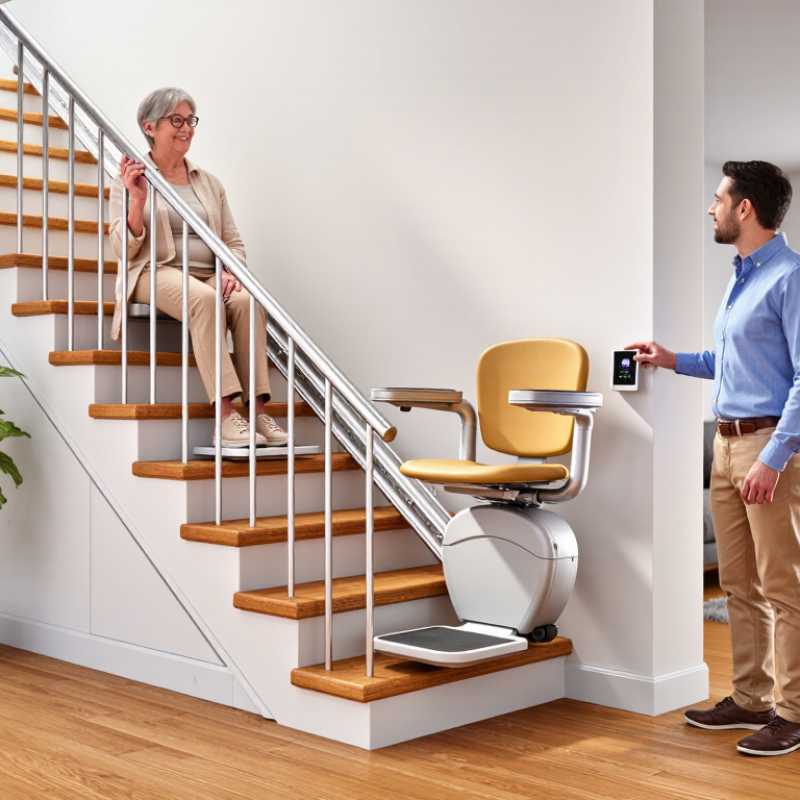
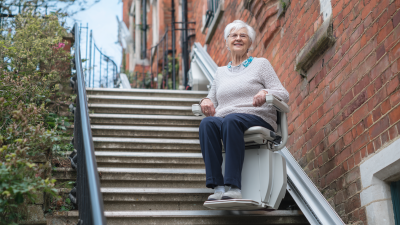
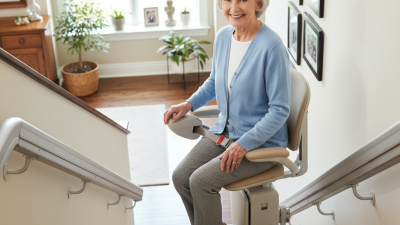
In the United States, a stair lift typically costs about $2,000 to $10,000 installed. HomeAdvisor’s Stair Lift Cost Guide reports an average near $6,000. That figure is a useful starting point, not a quote. A straight rail beside a simple staircase usually costs less than a custom rail that bends around a landing. Not the whole bill.
The Angi stair lift cost guide gives a similar broad range, while noting that stair shape, lift features, and installation affect the final price. For example, a narrow staircase with a mid-level turn may require a made-to-measure rail. That can push costs well above a basic straight-stair setup. Ask whether the estimate includes a home assessment, delivery, installation, and any electrical work. Small exclusions matter.
Used equipment may lower the purchase price, but check its condition, warranty, and whether the rail fits your stairs. A written, itemized estimate makes comparisons clearer. Still, averages can mislead: two homes with the same number of steps may need different equipment. Prices also vary by location and access to the installation area. If the installer must carry equipment up several flights, labor may rise. A little awkward, but worth asking about.
How Stair Lift Type and Staircase Design Affect the Price
A 2024 U.S. home-improvement installation-cost guide puts stair lift projects at roughly $2,000–$15,000, with an average near $6,000. These figures are estimates, not guaranteed quotes. A straight staircase usually costs less because it can use a standard rail. Curved stairs need a rail measured and made to follow each turn, which can push costs above $10,000.
Staircase details can change the price, even when the stairs look ordinary. A tight landing, steep pitch, or doorway beside the bottom step may call for a hinged rail or custom adjustments. Longer staircases also need more rail, while extra stops can affect equipment and installation costs. Small details matter. Cost guides cannot account for every home, and local labor rates vary.
Tips
Ask for an in-home measurement and an itemized quote. Check whether delivery, installation, electrical work, and rail modifications are included. Photograph tight turns and landings before requesting estimates. If your staircase curves, compare at least two assessments. A low quote may leave out a necessary modification. Check carefully.
The quoted stair lift price may cover only the unit and standard installation. The final bill can change after a technician measures the staircase, checks the landing, and reviews nearby power access. A straight rail is usually simpler to fit. Curved stairs often need a custom rail to follow each turn, raising equipment and labor costs. Small details matter.
Installation may cost more if workers need to move a handrail, adjust a doorway, reinforce a mounting surface, or add an electrical outlet. Tight stairs, uneven steps, and limited space near either landing can require extra planning. These issues are not always clear in photos. An in-home assessment gives a more reliable estimate.
Ask whether delivery, removal of an old lift, taxes, permits, and follow-up service are included; charges vary by location and provider. Later expenses may include battery replacement, routine maintenance, or repairs after service coverage ends. Compare warranty terms, not just the headline price. Leave some room for an unexpected adjustment. Estimates can miss things.
An installed stair lift is priced mainly by stair shape, rail length, and electrical work. Angi’s stair lift cost guide reports an average near $6,000, with a broad range of about $2,000 to $15,000. Straight stairs usually cost less because they use standard rails. Curved stairs need a custom-fitted track, which can sharply raise the quote. Ask whether the estimate includes delivery, installation, warranty, and removal.
Renting can suit short-term recovery or a temporary need. HomeGuide’s stair lift cost guide estimates rentals at roughly $300 to $500 per month, often with separate setup fees. That can add up quickly if plans change. A used lift may lower the equipment price, but savings depend on whether its rail fits your staircase. Have a technician inspect the motor, battery, safety sensors, and rail before purchase. A cheap unit that needs a custom rail may not stay cheap.
Tips: Get written quotes for purchase, rental, and used equipment. Measure every stair turn, and ask about service-call fees. Small details matter. I would not compare monthly rent with purchase price alone; include installation and likely time in the home.
Estimating a stair lift starts with the staircase, not a national average. Angi’s stair-lift cost guide puts typical projects at about $2,000 to $15,000, with an average near $6,000. HomeGuide’s pricing guide gives a similar split: straight stair lifts commonly cost $2,000 to $8,000, while curved models can reach $20,000. These are planning figures, not quotes. Your home may differ.
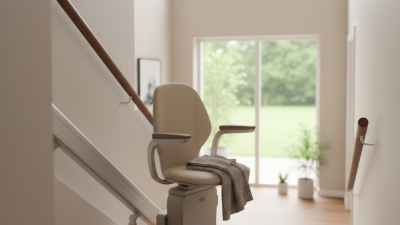
Measure the staircase from the lowest step to the top landing, then note every turn and intermediate landing. A straight rail is usually simpler and less costly. Curves often require a rail made to fit, which can raise both equipment and installation costs. Also check whether a nearby outlet is available, whether the lift must fold tightly against a narrow hallway, and whether it serves one floor or several. Small details matter.
Ask for an in-home assessment and an itemized written estimate. Separate the rail, seat, installation, delivery, and any electrical work, so comparisons are fair. Ask what the quoted price excludes, and whether service visits or battery replacement are extra. I would not budget from the average alone. It can mislead. A modest staircase may still need custom work, while a complex-looking stairwell might have a simpler installation than expected.