
How to Choose Top Stair Elevator Manufacturers in China?

Choosing a Chinese Stair Elevator manufacturer is both a sourcing decision and a daily safety decision. The World Health Organization and UNICEF’s 2022 Global Report on Assistive Technology estimates that 2.5 billion people need one or more assistive products. That number could reach 3.5 billion by 2050. Stair elevators serve a specific mobility need, but this wider trend highlights why dependable design and service matter. A catalog can look convincing. It proves little by itself.

A useful comparison starts with evidence: product test reports, quality-control procedures, component traceability, and clear installation instructions. Ask how each model handles curved or narrow stairs, power failures, emergency stops, and the user’s weight and transfer needs. Check whether the manufacturer can provide spare parts and after-sales support where the elevator will be installed. Request applicable certifications and verify their scope rather than relying on a logo alone. Factory visits, sample inspections, and conversations with existing customers can reveal gaps that brochures miss. Price matters, but so do rail fit, operating noise, warranty terms, and response times. No checklist removes every risk. Some details are easy to overlook until installation begins. This guide outlines practical questions for assessing Chinese manufacturers, comparing their claims, and choosing a Stair Elevator supplier with evidence behind its promises.
How to Choose Top Stair Elevator Manufacturers in China?

Define Stairlift Type Using ISO 9386-2:2000’s Seated, Standing, and Wheelchair Categories

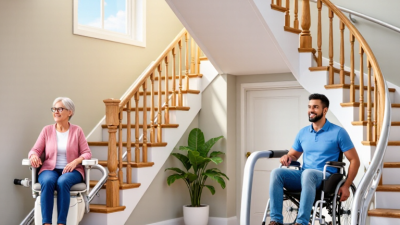
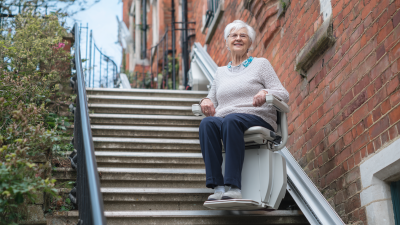
When comparing stairlift manufacturers in China, define the rider category before comparing finishes or prices. ISO 9386-2:2000 covers power-operated stairlifts for seated, standing, and standing wheelchair users travelling on an inclined path. Ask which category the exact model is designed for. “Wheelchair compatible” can mean different things.

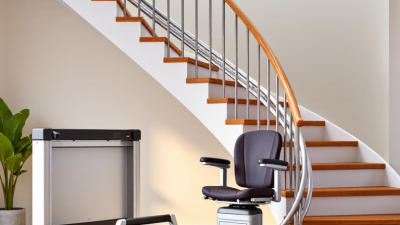
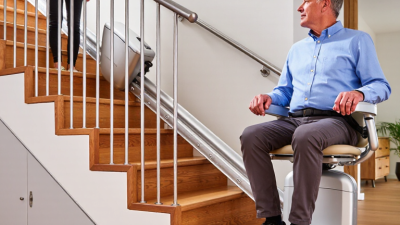
A seated stairlift needs a seat, secure footrest, and usable armrests. Check whether the rider can transfer safely at the top and bottom landings. Standing models need stable handholds and enough room for the rider’s feet. For wheelchair users, confirm whether the device carries both the person and their wheelchair. Check the platform dimensions, rated load, and entry direction against the actual chair. Small details matter.

Request model-specific technical documents, operating instructions, and evidence of conformity to the standard’s relevant requirements. Generic certificates may not describe the unit being offered. Measure stair width, bends, and landing space; a neat brochure can still miss a tight turn. It happens. The 2000 edition is an older standard, so ask which current requirements and editions apply to the installation. A qualified site assessment can reveal transfer or clearance problems that a product sheet cannot.

Check Safety Test Reports Against EN 81-40:2020 Requirements

How to Choose Top Stair Elevator Manufacturers in China?

When comparing stair elevator manufacturers in China, ask for safety test reports that reference EN 81-40:2020. Check that each report names the exact model, tested configuration, standard edition, and issuing laboratory. A report for a similar model may not cover the unit you plan to buy. Details matter.

Read beyond the cover page. Look for documented checks of braking, safety circuits, overspeed protection, and obstacles along the travel path. Confirm that the test scope matches the seat, rail, controls, and other options in your quotation. Ask how the manufacturer handles design changes and whether updated testing is available. A polished report is useful, but it does not prove every installation will be safe. Site conditions matter too, and this part is easy to underestimate.

Tips: Match the report’s model code to the product label and quotation. Ask for the full report, not just a certificate or summary. If a detail is unclear, request a written explanation before ordering.

Compare Rated Load, Travel Speed, and Stair Geometry Using Verified Test Data

A stair elevator should fit the staircase and the person using it, not just meet a headline specification. Ask manufacturers for rated-load test results that identify the test weight, operating conditions, and measurement method. A clear report is more useful than a single maximum-load figure. Check that the stated capacity covers the rider, clothing, and any items carried on the seat. Small details matter.

Travel speed needs the same scrutiny. Request measured results with a stated load, and check whether the figure describes steady movement or the full trip, including starts and stops. A fast catalog number may mean little on a staircase with tight turns or frequent landings. Look for repeatable test records, not estimates presented as test data. If the supplier cannot explain how the speed was measured, pause.

Compare each unit against measured stair geometry: incline, usable width, landing space, bends, and possible rail mounting points. Ask for drawings or an on-site measurement record, then have the proposed rail path checked against those dimensions. A model that passes a straight-track test may behave differently on a curved staircase. I would not treat a tidy comparison table as proof by itself; sometimes the data leaves awkward gaps. Ask the manufacturer to clarify those gaps in writing and show results for a configuration close to yours.

How to Choose Top Stair Elevator Manufacturers in China? — Compare Rated Load, Travel Speed, and Stair Geometry Using Verified Test Data
Comparison dimension Data or benchmark How to verify Selection guidance
Rated load Use the rated load in kilograms shown on the product nameplate and technical documentation. There is no single rated-load value that applies to every stairlift. Match the model and serial number on the nameplate to the test report. Check that the report identifies the rated load and describes the relevant load test. Compare only models whose documented rated load meets the user’s needs. Do not treat a sales brochure or an untraceable test sheet as proof.
Travel speed EN 81-40 specifies a maximum rated speed of 0.15 m/s for stairlifts (9 m/min; approximately 29.5 ft/min). Request a test report identifying the measured speed, test conditions, and model. Confirm that the product’s declared rated speed does not exceed the applicable standard limit. Compare measured travel performance and stopping behavior under documented conditions, rather than relying on an unqualified “fast” or “smooth” claim.
Stair pitch Calculate pitch as arctan(rise ÷ going). For example, a measured rise of 180 mm and going of 250 mm gives a pitch of approximately 35.8°. This is a geometry example, not an equipment limit. Measure several steps on site and record rise, going, total travel, and any variation between steps. Ask the supplier to confirm compatibility in writing against the survey. Do not assume one pitch range fits every rail design. Require a documented fit assessment for the actual staircase.
Stair width and clearances Record the narrowest usable stair width, available headroom, landing dimensions, and clearance from doors, handrails, and other obstructions. No single clearance figure applies to all installations. Use a dated site-survey drawing with dimensions and photographs. Have the proposed rail and seat positions checked against the measured clearances. Prefer a manufacturer that flags any clearance conflict before manufacture and documents the proposed installation layout.
Straight or curved track Track configuration depends on the staircase: straight runs, intermediate landings, turns, and other changes in direction require different layout assessments. Compare the approved track drawing with the site survey. Check that all landings, bends, parking positions, and transfer areas are shown. Ask for a site-specific drawing rather than accepting a generic statement that a model “fits most stairs.”
Test-report traceability A useful report identifies the tested model, applicable test standard and edition, test date, results, and issuing laboratory. Check the report with the issuing laboratory. Where relevant, verify the laboratory’s ISO/IEC 17025 accreditation and that the test falls within its accredited scope. Compare like-for-like reports. A certificate without identifiable model coverage or supporting test results is not equivalent to verified test data.

Note: Stair geometry compatibility is installation-specific. Confirm applicable standards, local requirements, and site measurements with a qualified installer before purchase.

Assess Factory Quality Controls Against ISO 9001:2015

When comparing stair elevator manufacturers in China, ask to see the quality controls at the production site, not just a certificate. Check that the ISO 9001:2015 certificate names the actual factory and covers the relevant manufacturing activities. Then follow one component through the process: incoming inspection, assembly records, final testing, and shipment release. Look for dated calibration labels on torque tools and load-test equipment. Small details matter.

ISO’s The ISO Survey 2022 reported more than 1.26 million valid ISO 9001 certificates worldwide. That shows how widely the standard is used, but certification alone does not prove a product is reliable. Ask how the factory records defects, investigates repeat failures, and verifies corrective actions. Review anonymized inspection logs and a sample test report; confirm serial numbers connect the records to finished units. Also ask how field complaints feed back into production. Answers can be imperfect. A clear explanation of a documented problem and its correction may tell you more than spotless paperwork.

How to Choose Top Stair Elevator Manufacturers in China?

Assess Factory Quality Controls Against ISO 9001:2015

The chart counts the main numbered subclauses in each ISO 9001:2015 requirement clause. These counts describe the standard’s structure—not clause importance or a manufacturer’s audit score. When assessing a factory, request evidence for areas such as production controls, supplier management, inspection and testing, nonconforming-product handling, and corrective action.

Verify Export Certifications, Spare-Parts Support, and Warranty Terms

Choosing a stair elevator manufacturer in China takes more than comparing prices. Ask for current export certificates and check that each document matches the product model you plan to buy. Confirm its scope, issuing body, and validity directly with the issuer when possible. Requirements can differ by destination market, so a certificate alone may not answer every question. A neat brochure is not enough.

Spare-parts support matters after installation. Request a parts list for the quoted model, with prices and typical dispatch times for items such as batteries, control boards, and call buttons. Ask how technicians provide troubleshooting support across time zones, and whether installation guidance is available in clear English. Get warranty terms in writing. Check the coverage period, excluded components, labor costs, and who handles freight for replacement parts. The fine print can change the real cost.

Tips: Send the supplier your stair measurements and photos, then ask for a written configuration and matching documents. Keep the model number consistent across the quote, certificates, warranty, and parts list. Compare actual response times, not just promises. If an answer is vague, ask again; even careful buyers can miss a detail.