
What Is the 2026 Top Stair Lift Elevator for Global Buyers?

Choosing the 2026 top Stair Lift Elevator requires more than comparing prices online. Global buyers need evidence, service coverage, and practical testing.

The World Health Organization reports that falls are the second leading cause of unintentional injury deaths worldwide. Its healthy-ageing framework also highlights functional ability, including safe movement at home. Meanwhile, the United Nations projects that one in six people globally will be aged 60 or older by 2030. These figures strengthen demand for reliable home mobility equipment. Grand View Research’s Stair Lift Market Size, Share & Trends Analysis Report also identifies ageing populations and home-based care as major market drivers.

Dr. Joseph Coughlin, director of the MIT AgeLab, has said, “Technology is not the answer; it is a tool to achieve the answer.” That principle matters here. A strong Stair Lift Elevator should match the user’s stair shape, balance, transfer ability, and daily routine. Look for smooth starts, reachable controls, emergency lowering, battery backup, and trained local installers. Check warranty terms carefully. Service delays can turn a useful device into an expensive obstacle.

The best model is not automatically the most expensive. It may be a compact rail system for a narrow staircase, or a heavier platform solution for wheelchair access. Regional standards, voltage, climate, and spare-parts availability also affect the decision. No ranking is perfect. Buyer needs vary widely. This guide compares leading 2026 options through safety evidence, usability, installation quality, after-sales support, and transparent product information.
What Is the 2026 Top Stair Lift Elevator for Global Buyers?

Stair Lift vs. Home Elevator: Compare 0.15 m/s Speed and 225 kg Capacity

What Is the 2026 Top Stair Lift Elevator for Global Buyers?

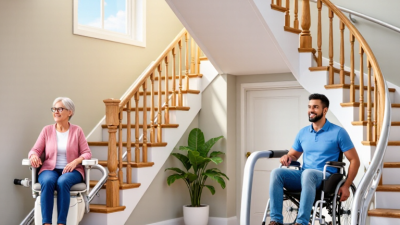
A stair lift and a home elevator solve different access problems. A stair lift follows the staircase, while an elevator moves vertically between floors. At 0.15 m/s, a compact home elevator offers steady, controlled travel. Its 225 kg capacity can support one wheelchair user and a caregiver, depending on cabin size and local requirements. That feels practical in a busy household.

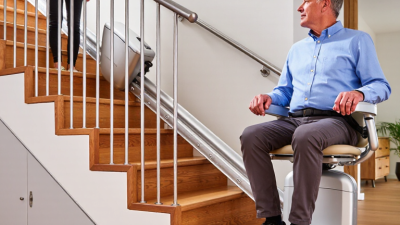
A stair lift usually needs less structural work. It can fit narrow stairs and often installs beside the existing handrail. However, the user must transfer onto the seat, and the rail may reduce walking space. A home elevator needs more planning, including floor openings, landing space, power supply, and safety controls. Yet it provides easier wheelchair access and carries groceries, luggage, or a folded mobility aid.

Look closely at real daily use. Measure doorway widths, turning areas, and the distance between floors. Ask for tested load data, emergency lowering details, battery performance, and maintenance response times. Local building rules also matter. The stated 0.15 m/s speed may feel slow, but smooth movement can improve confidence for older passengers. The 225 kg rating is useful, but it should not be treated as unlimited working capacity. A small measurement mistake can become expensive. Service quality may matter more than speed.

2026 Stair Lift vs. Home Elevator: Speed and Capacity

A comparison of common reference specifications for residential accessibility systems.

Both systems can operate at approximately 0.15 m/s in selected residential configurations, while a compact home elevator typically supports a higher load of around 225 kg. Actual specifications vary according to installation conditions, regulations, and configuration.

2026 Safety Standards: EN 81-40, ISO 9386-2, and IPX4 Protection

What Is the 2026 Top Stair Lift Elevator for Global Buyers?

In 2026, global buyers should judge a stair lift elevator by verified safety, not appearance alone. EN 81-40 provides safety requirements for stair lifts and inclined lifting platforms. It addresses construction, installation, operation, and protective systems. ISO 9386-2 focuses on powered stair lifts for seated, standing, or wheelchair users. These standards help buyers compare equipment across different markets. However, compliance may depend on the adopted edition and local regulations.

Ask for clear technical documents. Request test reports, installation instructions, and conformity information. A qualified technician should inspect the rail, seat, controls, sensors, and emergency stop. The travel path must remain clear near every landing.

Small details matter. A loose armrest or poorly positioned control can affect daily confidence. Battery performance also deserves practical testing during a power interruption.

IPX4 IPX4 protection means the lift can resist water splashes from different directions. It does not mean full waterproofing or safe operation underwater. This detail is often misunderstood.

Homes near bathrooms, entrances, or humid corridors need careful placement and maintenance. Covers, drainage, and cleaning routines still matter. Buyers should confirm the exact IPX4 rating for the complete installed system, not one component.

Real houses are rarely perfect. Uneven walls, narrow landings, and changing user needs may expose design weaknesses. Reliable suppliers should explain those limits honestly and provide service support after installation. A safety label helps, but documented testing and competent installation matter more.

Global Buyer Scorecard: 30°–45° Stair Angles and 90°–180° Rail Curves

What Is the 2026 Top Stair Lift Elevator for Global Buyers?

Global Buyer Scorecard: 30°–45° Stair Angles and 90°–180° Rail Curves

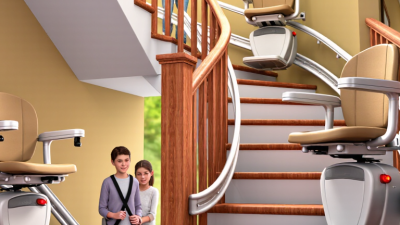
The strongest 2026 stair lift candidates should handle 30°–45° stair angles with controlled speed and stable seating. A 90° curve needs accurate surveying, especially near narrow landings. A 180° return curve demands more wall clearance and careful parking space. The World Health Organization reported that about 1.3 billion people live with significant disability worldwide. This makes safe home access a practical global need, not a luxury.

Buyers should request measured drawings, maximum user weight, battery performance, and emergency lowering details. Do not trust a product photo alone.

For curved rails, compare turning radius, seat swivel range, footrest clearance, and installation tolerance. EN 81-40:2020 provides relevant safety requirements for stairlifts and inclined lifting platforms. Local electrical and building rules still apply.

The CDC also reports that about one in four U.S. adults has a disability, showing why accessible equipment needs dependable daily performance. However, published specifications may not reveal real landing congestion. A model can pass a showroom test and feel awkward beside a radiator or doorway.

Tips: Photograph every landing, measure stair width at three points, and record both curve directions. Ask for a site assessment by a trained technician. Test the seat at the steepest section. I would also allow extra time for installation; international projects often involve uncertain walls, voltage, or delivery conditions. That detail is easy to underestimate.

Accessibility Fit: 600–700 mm Seat Widths and 300–350 mm Staircases

What Is the 2026 Top Stair Lift Elevator for Global Buyers?

Accessibility fit begins with accurate measurements, not attractive specifications. The World Health Organization’s Global Report on Health Equity for Persons with Disabilities (2022) estimates that 1.3 billion people experience significant disability worldwide. Many need safer movement between floors, especially where elevators cannot be installed.

A 600–700 mm seat width may improve comfort for larger users, but it also consumes valuable stair space. Measure the folded seat, armrests, footrest, and rail clearance together. If 300–350 mm describes tread depth, the staircase may be workable. If it describes total stair width, installation is likely unrealistic. That distinction is easy to miss.

The International Organization for Standardization and European safety guidance emphasize stability, obstruction protection, braking, and safe transfer areas. Buyers should request load testing, emergency lowering details, and installation drawings before ordering. Measure at the narrowest bend, not the widest landing. Check door swings and handrail interference, too.

A practical site survey should record riser height, tread depth, stair angle, landing length, and electrical access. The United Nations World Social Report 2023 also highlights rapid population ageing, increasing demand for home accessibility solutions. Still, wider is not always better. A 700 mm seat may feel secure but could block a narrow passage. Real homes are rarely perfect. Specifications need honest revision after measurement.

Total Cost and Service: 10–15-Year Lifespan, Batteries, and Warranty Terms

What Is the 2026 Top Stair Lift Elevator for Global Buyers?

Total cost matters more than the purchase price. A reliable stair lift usually serves for 10–15 years when installed correctly and maintained regularly. The final budget may include a site survey, custom rail, installation, shipping, taxes, and local service. Ask for every charge in writing. Read the exclusions.

Batteries age. Most rechargeable batteries need replacement after roughly two to five years, depending on daily use, charging habits, temperature, and power interruptions. Replacement costs should include the batteries, technician labor, and testing. A lift that stops halfway on a quiet evening is not a minor inconvenience. Check whether the system has a manual lowering option and a clear low-battery warning.

Warranty terms require careful comparison. A strong agreement may cover the motor, controller, charger, and structural rail for different periods. Labor, travel, consumables, and battery replacement are often excluded. Confirm who provides service in your country, how quickly technicians respond, and whether remote diagnosis is available. Keep invoices and maintenance records; they can protect a warranty claim.

A professional assessment should measure stair width, landings, turning space, user weight, and transfer needs. Global buyers should also confirm electrical compatibility and import responsibilities. A cheaper quote can appear attractive, but missing after-sales support may create higher costs later. I would avoid choosing from price alone. Some estimates look precise, yet they hide uncertain delivery fees or difficult installation conditions. Ask practical questions before paying.

What Is the 2026 Top Stair Lift Elevator for Global Buyers? - Total Cost and Service: 10–15-Year Lifespan, Batteries, and Warranty Terms
Solution Type Best Application Typical Equipment Price (USD) Typical Installation Cost (USD) Estimated First-Year Total (USD) Battery System and Replacement Expected Service Life Common Warranty Structure Service and Maintenance Considerations
Straight Outdoor Stair Lift Exterior stairs exposed to rain, humidity, dust, or temperature changes $3,500–$7,500 $700–$2,000 $4,200–$9,500 Rechargeable sealed batteries are generally used. More frequent replacement may be necessary in extreme heat, cold, or damp conditions. Approximately 8–12 years, with actual life strongly affected by weather protection and corrosion control Often 1–2 years for equipment; outdoor components may have separate coverage terms. Weather-related damage may be excluded. Requires weatherproof charging protection, corrosion checks, waterproof covers where appropriate, and more frequent cleaning than an indoor unit.
Curved Indoor Stair Lift Staircases with curves, landings, bends, or multiple flights $8,000–$18,000+ $1,500–$4,000+ $9,500–$22,000+ Rechargeable battery packs are standard. Replacement cost depends on battery format and local parts availability. Approximately 10–15 years with correct installation and periodic preventive maintenance Commonly 1–2 years for parts and labor. Custom rail coverage, installation workmanship, and call-out terms should be listed separately. Custom rails require accurate measurement and trained technicians. Service availability is especially important because replacement parts may be configuration-specific.
Heavy-Duty Straight Stair Lift Users requiring a higher rated load capacity or a wider seat $3,500–$7,000 $600–$1,800 $4,100–$8,800 Battery systems are similar to standard models, but higher daily use can shorten battery life. Replacement is commonly required every 2–5 years. Approximately 10–15 years when the lift is not operated above its certified load capacity Typically 1–2 years, subject to load limits, authorized installation, and documented maintenance. Confirm the rated load, seat width, footrest dimensions, braking performance, and whether the home electrical supply meets installation requirements.
Refurbished or Pre-Owned Lift Budget-conscious buyers with a staircase compatible with the available rail $1,500–$4,500 $700–$2,000 $2,200–$6,500 Battery condition should be tested before purchase. A replacement battery may be needed immediately or within 1–3 years. Often 5–10 additional years, depending on age, operating hours, previous maintenance, and parts availability Warranty is frequently shorter, commonly 3–12 months. Obtain written coverage for the motor, controller, charger, and batteries. Request service records, a safety inspection, a battery-load test, and confirmation that replacement parts remain available in the destination country.
Indicative 2026 international market ranges for residential stair lifts. Prices are in U.S. dollars and normally exclude taxes, import duties, unusual structural work, long-distance shipping, electrical modifications, and local permit fees.
Buyer checklist: Before ordering, verify the staircase survey, maximum user weight, seat and footrest dimensions, charging-point locations, emergency backup procedure, local technician response time, spare-parts availability, battery replacement price, warranty exclusions, labor coverage, return policy, and whether the warranty remains valid after international shipment or relocation.