How to Choose the Best Stair Elevator for Your Home?
Choosing the right Stair Elevator can make daily movement safer, calmer, and more independent at home. It is not simply a matter of selecting the fastest model or the lowest price. A reliable decision begins with the staircase itself. Measure its width, angle, landings, and available parking space. Curved stairs may require custom rails, while straight stairs often allow faster installation. Details matter.
The user’s needs deserve equal attention. An older adult may value a supportive seat, gentle controls, and a smooth start more than extra speed. A person using a wheelchair may need a platform lift instead. Check the weight capacity, seat belt design, footrest, battery backup, and emergency controls. Safety comes first. Comfort matters too.
Professional assessment can reveal problems that photographs miss, including narrow steps, moisture, poor lighting, or difficult transfers. Ask qualified installers about training, warranties, servicing, and replacement parts. Confirm that the equipment meets applicable safety requirements in your region. Independent reviews and references from completed installations can add useful evidence, but marketing claims should not be accepted without questions. A perfect answer rarely exists. A powerful model may feel unnecessary in a small home, while a budget option may become costly if maintenance is limited.
The best Stair Elevator should fit the staircase, the resident, and the household budget. Careful comparison helps prevent rushed decisions. A practical trial, when available, can reveal whether the controls feel natural and whether the ride feels stable. Even careful planning can miss something. Recheck the details before signing.
Understanding Your Home’s Stairway and Accessibility Needs
Choosing a stair elevator starts with the staircase, not the control panel. Measure the total rise, stair width, landing depth, and clearance beside the lowest step. Note every bend, doorway, radiator, and handrail. A narrow staircase may still work, but usable walking space can become uncomfortable. Mark the route with masking tape, then sit on a sturdy chair at each landing. This simple test reveals awkward turning angles and transfer points. It is easy to trust a brochure. Your body may disagree.
Accessibility needs should guide the assessment. Consider the user’s height, weight, balance, vision, and ability to bend a knee. Ask whether a caregiver must stand nearby. Check whether controls are reachable with limited finger strength. A qualified surveyor should inspect the stair structure, electrical supply, emergency lowering options, and local installation requirements. Request clear information about service intervals, warranty terms, battery replacement, and power-cut operation. Do not accept vague promises. Written details matter.
Curved or narrow stairways need special planning. A folding seat, swivel mechanism, or powered footrest may improve transfers, but each feature needs space and maintenance. Keep the lower landing clear of shoes, toys, and pets. I would test the lift at slow speed before deciding. Comfort is personal, and a technically suitable model may still feel intimidating. Recheck measurements after renovations; small changes can alter safe clearance. Good advice is specific, cautious, and based on the actual home.
Comparing Stair Elevator Types, Features, and Weight Capacities
How to Choose the Best Stair Elevator for Your Home?
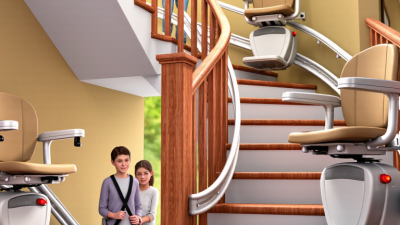
Choosing a stair elevator begins with the staircase, not the catalog. A straight model usually fits a simple flight and requires less installation time. Curved models follow landings, bends, and multiple floors. They offer a cleaner fit, but custom measurements can increase cost and waiting time. A platform model may suit wheelchair users, though it needs wider stairs and more clear space.
Weight capacity deserves careful attention. Add the user’s weight, clothing, walking aid, and any small items carried upstairs. Do not choose a unit that only meets today’s needs. A realistic safety margin is wiser. Check the seat width, swivel function, footrest, belt, battery backup, and emergency controls. Outdoor stairs also require weather-resistant materials and protected charging points. Professional installers should inspect wall strength, stair width, travel distance, and electrical access before recommending equipment.
Tips:
Ask for a measured home assessment. Confirm the rated capacity in writing. Test the controls while seated. Listen for unusual vibration. A quiet ride matters at night. I once underestimated landing space during planning, and that small error changed the preferred design. Rechecking measurements is worth the extra time. Maintenance access also matters, because a reliable elevator must remain practical after installation.
Evaluating Safety Standards, Comfort, and Ease of Use
How to Choose the Best Stair Elevator for Your Home?
Safety should guide every stair elevator decision. During home assessments, I look for smooth starts, controlled stops, and reliable obstruction sensors. The seat belt should be easy to fasten, even with limited hand strength. A swivel seat can reduce twisting near the landing. Ask whether the unit meets recognized safety standards and local installation requirements. An independent inspection adds confidence. Do not rely only on sales literature.
Comfort affects daily use more than many homeowners expect. Sit in the chair for several minutes. Check the footrest, armrests, seat width, and back support. The controls should be large, clear, and reachable without stretching. Keep the ride quiet. Excessive vibration may suggest poor installation or future maintenance concerns. A real staircase test is valuable because showroom floors are usually ideal.
Ease of use includes charging, cleaning, and emergency operation. Confirm that the lift can return to its charging point automatically. Ask how the system behaves during a power failure. Battery backup is helpful, but its expected travel time should be explained clearly. A trained installer should measure the staircase, discuss landing access, and provide maintenance guidance. I once focused too much on technical features and overlooked how a user would carry a small bag. That was a useful correction. No checklist catches everything. Watch someone use the lift naturally, including entering, turning, and leaving the seat.
Checking Installation Requirements, Maintenance, and Warranty Coverage
Choosing a stair elevator begins with your staircase, not a catalog photograph. Measure its width, curves, landing space, and nearby doors. A qualified installer should inspect wall strength, floor condition, electrical access, and emergency clearance. In my experience, a narrow landing causes more trouble than the staircase itself. Ask for a written site assessment before paying a deposit.
Tips: Keep photographs of the staircase ready. Ask whether installation needs structural changes. Confirm who handles permits or inspections, where applicable.
Maintenance affects safety and comfort. Ask how often technicians should inspect the rail, seat belt, sensors, batteries, and charging points. Dust can collect along the track, while weak batteries may reduce travel reliability. Learn which checks you can perform safely and which require a trained technician. I once underestimated the value of a clear service schedule. That was a mistake. A low purchase price means little if repairs take weeks.
Warranty coverage deserves careful reading. Check whether it includes labor, batteries, motors, controls, and replacement parts. Some warranties exclude damage from misuse, moisture, or unapproved modifications. Confirm the coverage period and the company’s response time for breakdowns. Ask whether the warranty transfers if you move home. Keep invoices, service records, and installation documents together. Small paperwork details matter.
How to Choose the Best Stair Elevator for Your Home?
A practical comparison of the main factors to review before purchasing a stair elevator.
Installation requirements should receive the greatest attention because stair width, stair shape, electrical access, and landing clearance determine whether a system can be installed safely. Maintenance and warranty coverage are also important for long-term reliability, while comfort and operating controls help ensure the elevator is suitable for everyday use. Actual requirements and coverage vary by home layout and installer, so confirm all details during an in-home assessment.
Estimating Costs and Selecting the Right Stair Elevator Provider
The cost of a stair elevator depends on your staircase, not just the equipment. A straight staircase usually costs less than a curved design. Curved rails require careful measurement and custom fabrication. Installation access, electrical work, and landing changes may also affect the final price.
Ask each provider for a written, itemized estimate. It should include the rail, seat, controls, installation, delivery, and future servicing. A home survey is valuable because photographs can miss narrow landings or uneven steps. During my own equipment comparisons, unclear service charges created more concern than the initial price. That detail is easy to overlook.
Check the provider’s installation experience and technician training. Ask how quickly they respond if the elevator stops working. Confirm the warranty period, battery replacement process, and availability of spare parts. Request references from customers with similar staircases. A low quote may hide limited support. Be cautious. The cheapest option is not always the most economical choice over five years. Still, a higher price does not automatically prove better quality. Compare specifications, safety features, maintenance terms, and customer feedback together. I would also ask whether the quotation can change after installation, because unexpected charges can damage trust.