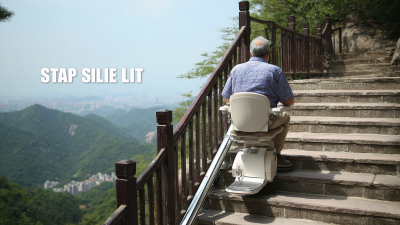




Choosing the best Stair Chairs in 2026 starts with a simple question: who will use one, and on what staircase? The term can mean a powered stairlift for everyday access or a portable chair designed for assisted evacuation. These products serve different needs, so comparing them as if they were interchangeable can lead to a poor fit. Small details matter. A narrow landing, steep steps, or limited space beside a handrail may change which options are practical.
This guide will compare key features, including seat comfort, controls, safety belts, weight limits, track or wheel design, and installation requirements. It will also consider how the chair performs during ordinary routines, such as getting on and off near a tight hallway or pausing safely on a landing. Product specifications are useful, but they do not replace a careful measurement of the staircase or advice from a qualified installer or mobility professional. Not always an easy choice.
Price is only one part of ownership. Buyers should check what the warranty covers, whether servicing is available locally, and how replacement parts are handled. For portable models, confirm that intended caregivers can operate and store the chair safely. For powered models, ask how the system behaves during a power interruption and whether the rail suits the home’s layout. No single chair is best for every household. The recommendations ahead aim to explain the trade-offs clearly, while noting where a model’s published specifications leave important questions unanswered. A little caution is worthwhile.
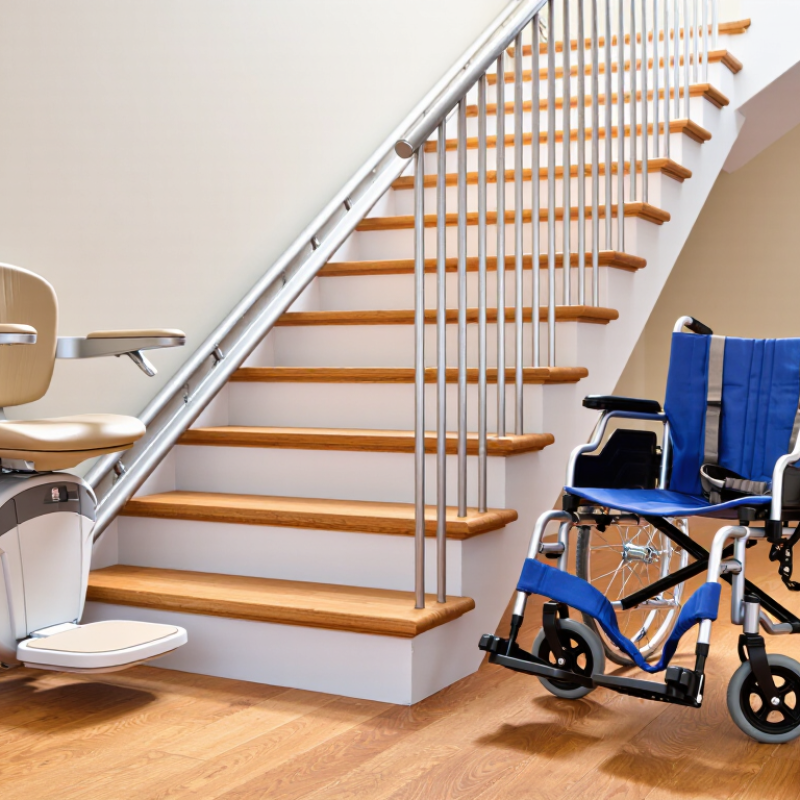
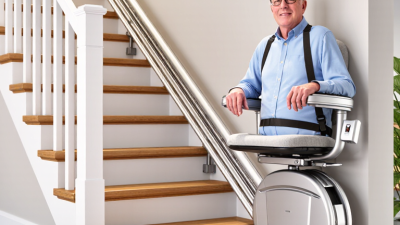
A stair chair, often called a stairlift, is a powered seat that travels along a rail fixed beside a staircase. The user sits, fastens the restraint, and operates the controls while the chair moves between floors. It can help people who have difficulty climbing stairs but can still transfer safely onto a seat. That may include some older adults, people with arthritis or reduced leg strength, and those recovering from surgery. It is not a wheelchair, and it does not remove the need to get on and off the seat.
The need is real: the U.S. Centers for Disease Control and Prevention reports that about one in four adults aged 65 and older falls each year. A stair chair may reduce the strain of repeated stair climbing, but it cannot prevent every fall or suit every home. One detail is easy to miss: the user must be able to sit steadily and reach the controls. Stair width, turns, landings, and safe transfer space also matter. A home assessment and advice from an occupational therapist or other qualified clinician can help identify risks before purchase. The fit is not always obvious at first. When choosing, consider who will use the chair, how independently they can transfer, and whether the staircase allows a secure installation.
U.S. population aged 65 and older
Stair chairs are designed to help people who have difficulty using stairs safely because of mobility limitations. The growing older-adult population provides useful context, but age alone does not determine whether a stair chair is needed; individual mobility and home layout matter.
2020 count: U.S. Census Bureau, 2020 Census. 2030 figure: U.S. Census Bureau projection, approximately 73 million adults aged 65 and older.
For a straight staircase with no turns or intermediate landings, a stair chair with a straight rail is usually the simplest fit. The rail follows the stair angle and attaches beside the steps, leaving room for other household members to pass when space allows. Measure the narrowest point, including handrails and doorways near the top or bottom. Details matter. A straight-looking staircase can still have a tight landing that affects safe boarding.
Curved staircases, including those with bends or landings, generally need a curved rail made to match the staircase’s shape. An installer will typically measure the route and check where the chair can start, stop, and park without blocking a doorway. This custom fit can take more planning and may cost more than a straight-rail setup. A simple rule can mislead: the stair’s appearance alone does not confirm which model will fit. Ask a qualified installer to assess measurements, weight capacity, transfer needs, and available clearance before choosing. If the staircase is unusually narrow or has several turns, request an in-person assessment rather than relying on photos.
The right stair chair depends on the staircase layout, the user’s mobility needs, available space, and the installation requirements. This comparison outlines common stair-lift configurations; suitability and features vary by model.
| Stair Chair Type | Staircase Fit | Track and Installation | Useful Features | Best Suited For | Check Before Buying |
|---|---|---|---|---|---|
| Straight stair lift | A single, straight flight with no turns, intermediate landings, or changes in direction. | Uses a straight rail fitted to the stair treads. It is generally simpler to measure and install than a custom curved rail. | Often available with a folding seat, armrests, footrest, safety belt, and charging points at designated parking positions. | Homes with a straightforward staircase and a user who can transfer onto a seated chair. | Confirm stair width, rail position, bottom and top access, seat clearance, and whether doors or walkways will be obstructed. |
| Curved stair lift | Stairs with bends, turns, winders, or one or more intermediate landings. | Requires a rail made to follow the staircase’s measured shape. Surveying and installation are typically more involved than for a straight rail. | A tailored rail can follow changes in direction; parking and swivel options depend on the staircase and the chosen model. | Homes where a straight rail cannot follow the complete stair route safely or reach the required landing. | Ask for an on-site measurement and a review of turning space, landing access, rail position, and any door or headroom constraints. |
| Outdoor stair lift | Outdoor steps or a staircase, which may be straight or curved depending on the specific system. | Uses a rail designed for the route and equipment intended for outdoor exposure. A suitable weather-resistant power and charging arrangement is needed. | May include weather-resistant materials and a protective cover; exact environmental ratings and features vary. | Users who need powered assistance on exterior steps between a home entrance and an outdoor level. | Check the stated weather protection, drainage, exposure to salt or extreme temperatures, maintenance needs, and safe access in wet conditions. |
| Perch or standing-position lift | Usually intended for a compatible straight staircase; curved-route availability depends on the system. | Follows the route using a rail designed for the model. The user travels in a supported, partially standing or perched position rather than in a conventional seated posture. | A compact profile may help where a full seated position is difficult, subject to the user’s ability and the model’s design. | Some users who have difficulty bending their knees enough to sit, but can safely maintain the required supported position. | Have a clinician or qualified assessor consider balance, strength, transfer ability, and whether the user can operate the controls safely. |
| Heavy-duty stair lift | May be available for straight or curved routes, depending on the system and the staircase survey. | Requires a compatible rail, seat, and installation designed for the stated user-weight limit. Capacity is model-specific. | May provide a wider or reinforced seat and a higher rated capacity than a standard configuration. | Users whose weight or seating needs exceed the limits of a standard model. | Check the exact rated capacity, seat dimensions, transfer space, stair width, and structural installation requirements; do not assume all heavy-duty models are alike. |
Buying tip: A professional home assessment is important, especially for curved or narrow stairs. Compare the rated capacity, safety features, transfer requirements, installation plan, service support, and total cost. A stair lift is not a substitute for an accessible evacuation plan.
When comparing stair chairs in 2026, start with the staircase, not the feature list. Measure its width, landings, and nearby doorways, then check whether the rail can fit without blocking everyday access. Straight and curved stairs may need different rail designs, so request an in-home assessment before choosing. A chair that looks compact in a showroom may feel different beside your own hallway wall.
Safety details deserve close attention. Look for a seat belt, a stable swivel seat, and sensors that stop the chair if an obstacle is on the track. Check the weight limit and whether the footrest folds away easily. Ask how the chair behaves during a power outage; battery backup can help, but its limits matter. Read the operating instructions, too. Small controls can be hard to use with stiff fingers.
Comfort is practical, not decorative. Test the seat height, arm support, and transfer space with the intended rider, if possible. Fit matters most. Ask who installs and services the equipment, what routine maintenance involves, and how quickly help is available. An occupational therapist or qualified installer can assess mobility needs and home layout. A chair cannot fix every transfer problem, and I would not choose one from photographs alone.
When comparing stair chairs, match the model to the staircase before comparing prices. A straight rail usually suits a single, uninterrupted flight. Landings, bends, or spiral sections may require a custom curved rail, which can cost more. Measure the stair width and note nearby doors, radiators, and handrails. Ask an installer to check clearances in person. Small details matter.
Compare written quotes line by line. Check whether the price includes the rail, fitting, delivery, and removal of old equipment. Ask about optional features, such as a powered swivel seat or folding footrest, and whether they add ongoing service costs. The cheapest quote may omit work you expected. I still find this easy to overlook.
Warranty length is only part of the picture. Read what it covers: the motor, battery, controls, rail, and labor may have different terms. Check exclusions, response times, and whether routine servicing is required to keep coverage valid. Ask who handles repairs and how soon help is available if the chair stops on the stairs. Get the answers in writing, and keep the quote beside the warranty for a fair comparison.
Choosing a stair chair starts with the staircase, not the sales photo. Measure the full route, including narrow turns, doorways, and space at the top and bottom. A straight rail may suit a simple staircase, while bends usually need a rail made for that layout. Check the chair’s weight limit and whether its seat, footrest, and controls work for the intended user. Small details matter. A swivel seat can make getting on or off easier at a landing, but it must lock securely. If possible, ask a qualified installer to assess the stairs and the user’s transfer needs.
Before buying, test the controls and seat position, and ask what happens during a power outage. Some models include a backup battery; confirm how it is charged and how long it may operate. Review installation, service, and warranty terms in writing. A checklist cannot predict every awkward transfer, so involve the person who will use the chair in the decision.
Keep the rail clear of dust and loose objects, and wipe the seat and armrests with suitable cleaning products. Check the belt, footrest, and visible fasteners regularly for wear or looseness. Keep charging contacts clean and listen for new clicking, grinding, or hesitation. Stop using the chair if it behaves unusually, and contact a qualified service professional rather than opening electrical parts yourself. Maintenance can feel easy to postpone. Set a reminder.