




Vape Batteries power the device, control its heating performance, and influence everyday safety. Most models use lithium-ion cells, including removable 18650 or 21700 batteries. Others contain an integrated lithium-polymer pack. The right choice depends on the device manufacturer’s specifications, not appearance alone. A battery that fits physically may still be electrically unsuitable.
Capacity, measured in milliamp-hours, affects runtime. Discharge capability affects whether the battery can safely support the device’s demand. Higher capacity is not automatically better. A cell with impressive numbers may perform poorly if the rating is unclear or exaggerated. Buyers should check the continuous discharge rating, voltage range, connector type, and charging instructions. They should also purchase from reputable suppliers with traceable product information. Small details matter.
Safety comes first.
In practical use, inspect removable batteries before every charge. Reject cells with torn wraps, dents, leaks, unusual heat, or damaged terminals. Use a compatible charger and keep batteries away from keys, coins, and direct sunlight. Do not mix old and new cells, or combine different brands without clear manufacturer guidance. Local rules and age restrictions also apply, so buyers should verify current requirements before purchasing. This guide compares common Vape Batteries and explains which features deserve attention. It also admits a useful limitation: specifications can be confusing, and even careful buyers may misread them. When uncertainty remains, the safest decision is to pause and ask the device maker or a qualified retailer.
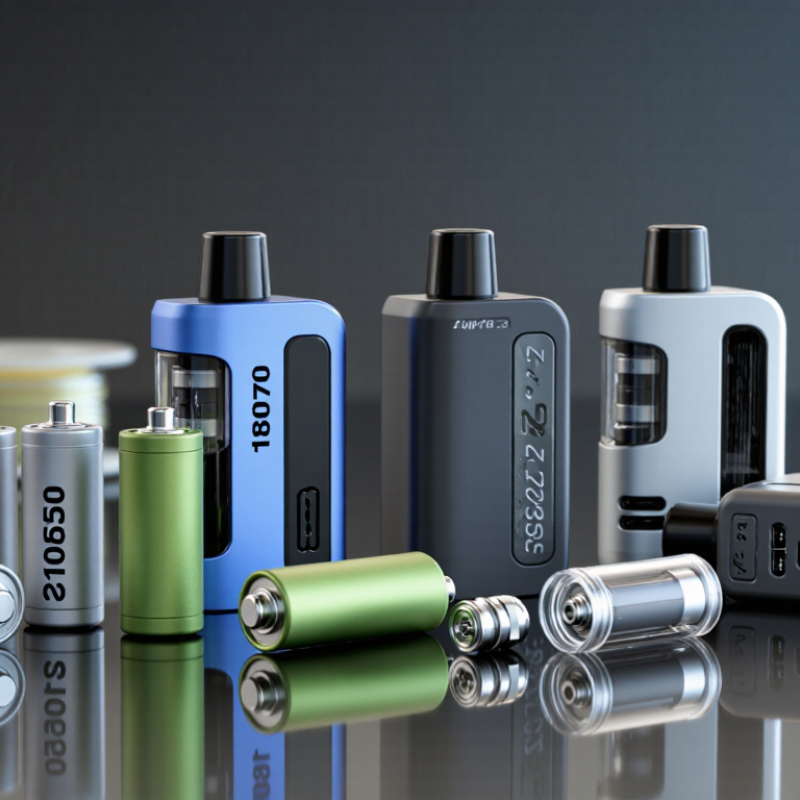
A vape battery is the power source that makes a vape device work. It sends electrical energy to the heating element, which warms the liquid and creates an inhalable aerosol. The control circuit manages this energy, helping regulate output, charging, and basic safety functions.
Many devices use a built-in rechargeable lithium-ion battery. This design is simple because users charge the device directly through its charging port. Other devices use removable batteries, which can be replaced when their capacity declines. However, removable cells are not automatically interchangeable. Buyers must match the battery size, electrical specifications, and device instructions carefully.
Safety matters more than maximum power. I have seen users choose a battery by appearance alone, then discover it does not suit their device. That mistake is easy to make. A suitable battery should come from a reliable supplier and show clear specifications. Buyers should inspect the casing for tears, dents, leaks, or unusual heat before use. Damaged batteries need immediate replacement.
Use the supplied charging method whenever possible. Keep the device away from extreme heat, moisture, and loose metal objects. Never leave charging equipment unattended for long periods. I used to assume a faster charge was always better, but battery chemistry makes that assumption unreliable. The correct choice depends on the device design, charging system, expected usage, and the user’s willingness to check battery condition regularly.

Vape batteries are rechargeable power sources that heat a device’s coil. Most use lithium-ion technology because it stores substantial energy in a compact space. The two main categories are built-in batteries and removable batteries. Each type suits different users, but neither is automatically safer in every situation.
Built-in batteries stay inside the device and charge through a cable. They are convenient for beginners and reduce the chance of installing a battery incorrectly. A small indicator light may show charging progress. However, the battery becomes difficult to replace when its capacity declines. Removable batteries, commonly cylindrical cells such as 18650 or 21700 sizes, offer more flexibility. Users can carry a spare compatible cell and replace an aging one. That convenience requires more knowledge.
Compatibility matters greatly. Buyers should check the device manual for the required size, voltage range, and charging method. A certified battery from a reliable seller is preferable to an unlabeled cell with impressive claims. Never use a cell with torn wrapping, dents, corrosion, or unusual heat. Stop using it.
I have found that convenience often wins daily use, while replaceable cells suit careful, experienced owners. Still, this choice is not purely technical. A built-in model may be safer for someone who forgets maintenance, yet its sealed design can create uncertainty after heavy use. Store batteries away from keys and coins, and avoid leaving any device charging unattended. Small habits matter.
Vape batteries usually come in two forms: internal and removable. An internal battery is built into the device and charged through a port. It feels simple in daily use. There is no loose cell to carry, and the device often has a cleaner shape. For beginners, this can reduce handling mistakes. However, the battery cannot be replaced separately when its capacity declines. The whole device may need servicing or disposal through an approved recycling channel.
Removable batteries sit inside a dedicated compartment and can be exchanged when needed. This design suits experienced users who want longer sessions or a spare power source. The compartment should close firmly, with no torn wrapping, dirt, or movement around the cell. Never use a damaged battery. Check the device manual for the correct size, chemistry, and charging limits. Battery specifications are not decorative numbers; they affect heat, performance, and service life. Compatibility matters more than appearance.
Internal models are often the easier choice for occasional users and people who prefer fewer parts. Removable designs offer flexibility, but they demand closer inspection and disciplined storage. Keep loose cells in a protective case, not beside keys or coins. Charging supervision is wise. Do not charge on soft bedding or leave a powered device in a hot car. A small weakness in this advice remains: “longer battery life” depends heavily on usage, temperature, and age. Buyers should compare real capacity, safety protections, warranty terms, and replacement access rather than choosing by size alone.
| Comparison Dimension | Internal Battery | Removable Battery | Buyer Consideration |
|---|---|---|---|
| Basic definition | A rechargeable lithium-ion battery permanently fitted inside the device. | A replaceable cylindrical lithium-ion cell installed by the user, commonly in 18650 or 21700 formats. | Choose internal batteries for simplicity; choose removable cells for flexibility and easier replacement. |
| Typical nominal voltage | About 3.6–3.7 V per lithium-ion cell; regulated devices may use electronic voltage conversion. | About 3.6–3.7 V nominal per cell, with approximately 4.2 V at full charge. | Voltage alone does not determine performance; the device's regulated output and safety limits also matter. |
| Common capacity range | Approximately 800–3,000 mAh, depending on device size and design. | Approximately 2,000–5,000 mAh per cell; actual capacity depends on cell format and discharge specification. | Higher capacity generally supports longer use, but may increase size, weight, and charging time. |
| Charging method | Usually charged through the device's USB port and built-in charging circuit. | May be charged in the device if supported, or in a compatible external charger. | Use the supplied or manufacturer-approved charging method and never charge unattended. |
| Convenience | High convenience because there is no separate cell to install, carry, or identify. | Requires correct installation, cell inspection, and safe transport. | Internal batteries are generally more suitable for beginners and occasional users. |
| Battery replacement | The device usually needs professional servicing or replacement when the battery reaches the end of its useful life. | The cell can normally be replaced when its capacity or performance declines. | Removable cells can extend the practical service life of the device when used correctly. |
| Spare-power option | A power bank or wall charger is normally needed while the device is charging. | A correctly matched spare cell can provide a quick changeover when permitted by the device instructions. | Spare cells must be carried individually in protective cases to prevent contact with metal objects. |
| Safety protection | The device commonly includes electronic protections such as overcharge, over-discharge, and short-circuit protection, but coverage varies. | Safety depends on both the device's circuitry and the condition, specification, and installation of the cell. | No battery system should be treated as risk-free; follow the device and cell safety instructions. |
| Cell matching | Cell matching is handled by the device design and is not normally a user task. | The cell must match the required size, voltage, current rating, and number of cells specified for the device. | Never substitute an unverified cell or mix different types, ages, capacities, or charge levels in multi-cell devices. |
| Physical durability | The sealed design can reduce user exposure to handling damage, although drops and heat can still cause harm. | The removable cell's outer wrap and terminals can be damaged during removal, storage, or transport. | Do not use a cell with a torn wrap, dented casing, corrosion, leakage, or unusual heating. |
| Size and weight | Often lighter and more compact in small, low-power devices. | Usually larger or heavier when designed for high power or multiple cells. | Compare the complete device dimensions and weight rather than battery capacity alone. |
| Expected service life | Rechargeable lithium-ion batteries gradually lose capacity over charge cycles; replacement timing varies with use and heat exposure. | The device may continue operating after a worn cell is replaced, provided the electronics remain serviceable. | Avoid excessive heat, deep discharge, physical damage, and prolonged storage at full charge. |
| Best suited to | Beginners, portability-focused users, and people who prefer simple charging and operation. | Experienced users who value replaceability, spare-power options, and control over cell selection. | The best choice depends on experience, power needs, portability priorities, and willingness to follow battery-safety practices. |
Note: Battery capacity, current ratings, charging speed, and protection features vary by device and cell. Always follow the specific product instructions and local battery-disposal requirements.
Vape batteries are rechargeable power cells that supply energy to a vaping device. Buyers usually compare integrated batteries with removable lithium-ion cells. Integrated models are convenient and reduce handling. Removable cells can offer easier replacement, but they demand careful inspection and correct storage. The safer choice depends on the device design, charging system, and user experience.
Battery capacity is measured in milliamp-hours, or mAh. Higher capacity may provide longer use between charges, but it can also increase charging time. Voltage affects heating performance, while continuous discharge current shows how much power a battery can deliver safely. Never judge a cell by capacity alone. That shortcut is tempting, but incomplete.
Check the device manual for compatible voltage, size, and current ratings. A battery should fit firmly without torn wrapping, dents, swelling, or unusual heat. Protection features, temperature control, charging limits, and recognized safety testing also deserve attention. Some batteries carry impressive numbers that are difficult to verify. This is where careful comparison matters. A lower-rated battery from a reliable source may be safer than a stronger-looking option with unclear specifications. Use the supplied charging method whenever possible, avoid damaged cells, and keep removable batteries in a protective case. No loose cells in pockets. Battery performance also declines with age, repeated heat exposure, and frequent deep discharge. Specs are useful, but real condition matters more.
Vape batteries are usually rechargeable lithium-ion cells. Common formats include compact integrated batteries and removable cylindrical cells. Buyers should match the battery with the device, not simply choose the highest mAh rating. Capacity affects runtime, while the continuous discharge rating affects safe current delivery. A larger number is not automatically safer. Check the device manual, cell size, chemistry, and charging limits before purchase.
Safety deserves more attention than convenience. The U.S. Fire Administration’s Electronic Cigarette Fires and Explosions report recorded 195 incidents and 133 acute injuries in the United States between 2009 and 2016. Its findings linked many events with battery failure, charging, or physical damage. Buyers should select cells from traceable suppliers and look for credible compliance information, such as testing related to UL 8139 or IEC 62133-2. Avoid loose batteries with torn wraps, dents, corrosion, or unusual heat.
Use a charger designed for the battery type. Never charge a removable cell directly from damaged wiring or an unsuitable adapter. Keep batteries in a protective plastic case, away from keys and coins. Do not carry loose cells in a pocket. Replace any cell that becomes swollen, leaks, smells strange, or heats rapidly. Do not charge overnight or on soft, flammable surfaces. Experienced users still make rushed decisions here. I sometimes see capacity numbers treated like safety scores, which is a serious misunderstanding. If the battery or device becomes hot during normal use, stop using it and seek qualified technical advice.
