Top 10 Tips for Choosing the Right Rail Transfer Cart?
In the world of industrial logistics, choosing the right Rail Transfer Cart can significantly boost efficiency. These carts are essential for transporting goods across factory floors or warehouses. However, selecting the best one can be challenging. There are various factors to consider, including load capacity, design, and track compatibility. Many users often overlook these details, leading to costly mistakes.
Understanding your specific needs and the environment where the Rail Transfer Cart will be used is crucial. Consider the terrain, weight of the materials, and frequency of use. A cart that works well in one setting may not perform in another. It's important to gather insights from experienced users and consult with specialists in the field to make an informed decision.
By focusing on these aspects, you can avoid common pitfalls associated with rail transfer carts. Often, companies rush the selection process, which can result in inadequate performance and operational inefficiencies. Careful consideration will ensure you choose a Rail Transfer Cart that not only meets your immediate needs but also adapts to future requirements.
Understanding Rail Transfer Carts: Purpose and Benefits
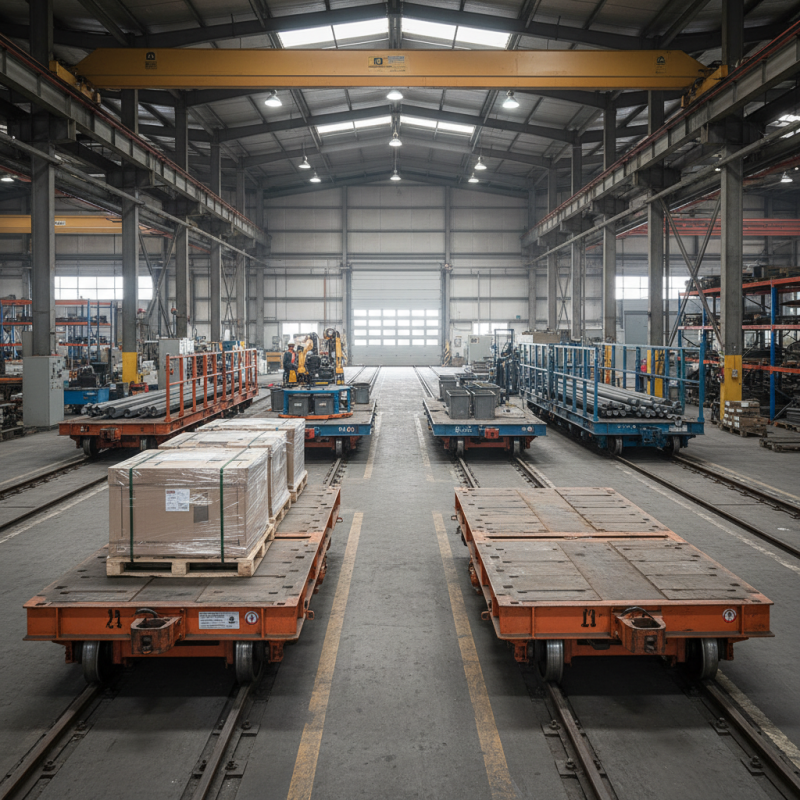
Rail transfer carts play a crucial role in various industries. They are designed to move heavy loads along rail tracks, making transportation more efficient. Understanding their purpose helps in appreciating their benefits. These carts minimize manual labor, reducing the risk of injury. They also streamline operations, saving time and resources.
When selecting the right rail transfer cart, consider specific needs. Think about the weight capacity required. Different carts serve different purposes. Be mindful of their maneuverability in your facility. It’s not just about moving loads; it’s about doing so safely and efficiently. Reflect on your workflow to assess what will work best.
While these carts offer many advantages, issues may arise. Maintenance becomes essential to ensure longevity. Sometimes, improper cart selection can lead to operational delays. This can hinder productivity. Companies must evaluate their choices wisely, as good decisions reflect an understanding of both needs and solutions.
Key Factors to Consider When Choosing a Rail Transfer Cart
Choosing the right rail transfer cart involves several key factors that can significantly impact efficiency and safety in operations. Load capacity is essential; it reflects the cart's ability to transport heavy materials. Reports indicate that overloading can lead to accidents, inefficiencies, and increased maintenance costs. Carts should be selected based on the maximum weight they will carry, considering both the cart's construction and the materials being transported.
Another critical aspect is the track system compatibility. Different rail systems can affect cart performance. Depending on the design of the rail track, the type of wheel and axle configuration will vary. A well-designed system can reduce friction, enhance mobility, and extend the lifespan of both the cart and the track. Ensuring that components align with existing infrastructure is vital, as mismatched specifications can lead to operational delays and higher wear rates.
Finally, consider the power source. Electric carts are popular due to their lower emissions and operational costs. However, battery life and charging infrastructure must be thoroughly evaluated. A recent study found that about 30% of downtime in warehouse operations stems from power failures. Understanding these intricacies not only informs better decision-making but also promotes safer, more reliable operations.
Types of Rail Transfer Carts and Their Applications
When selecting a rail transfer cart, it’s crucial to consider the varying types available and their specific applications. There are primarily two categories: manual and powered rail transfer carts. Manual carts are often favored in small operations due to their simplicity and low cost. A recent survey shows that about 40% of small to medium enterprises opt for manual options for short-distance transport.
On the other hand, powered rail transfer carts, including battery and electric models, excel in larger operations. Reports indicate that these powered carts can increase efficiency by up to 50% in busy environments. They are particularly valuable in manufacturing and warehouse settings where heavy materials are handled regularly. Some powered models can carry up to 100 tons, making them suitable for industrial applications. As businesses grow, the choice between manual and powered models can often lead to reflection on efficiency and cost-effectiveness.
Consider the specific needs of your operations. If your facility handles diversified loads, a versatile cart might be necessary. Moreover, think about floor conditions and overall layout. Each choice comes with trade-offs that might not be immediately apparent, requiring deeper analysis for optimal decision-making.
Top 10 Tips for Choosing the Right Rail Transfer Cart
Essential Features for Safety and Efficiency in Rail Transfer Carts
Choosing the right rail transfer cart requires attention to safety and efficiency features. Statistics reveal that 25% of workplace accidents occur in material handling sectors, emphasizing the importance of reliable carts. Look for carts with high-quality braking systems. A dependable brake can reduce the risk of accidents significantly.
Load capacity is another vital consideration. Carts should easily support your heaviest items. A cart with inadequate capacity can lead to equipment failure. This could result in damage to goods or injury to workers. Regular maintenance schedules must also be established to ensure optimal performance.
Ergonomic design plays a crucial role in user safety. Carts should have handles positioned to minimize strain. Research indicates proper ergonomics can reduce workplace injuries by up to 30%. Also, consider anti-collision features. These can help prevent accidents in busy environments. Investing in these safety attributes is essential for any organization relying on rail transfer carts.
Budgeting and Cost Considerations for Rail Transfer Cart Selection
Budgeting for a rail transfer cart involves multiple factors. The initial cost is just the beginning. Consider ongoing maintenance and operational costs. These expenses can accumulate over time. It’s essential to plan for both short and long-term financial commitments. Total cost of ownership is a critical aspect.
Analyze your specific needs carefully. A cart that is too small may require frequent replacements. On the other hand, an oversized cart wastes resources. Balancing these factors is important. Additionally, explore financing options or leasing instead of direct purchase. These alternatives can ease budget constraints, but they require proper evaluation.
Keep in mind the reliability of the cart. A cheaper option might save money initially but could lead to higher repair costs. Seek advice from industry experts to avoid pitfalls. Sometimes, the least expensive choice isn't the best in the long run. Reflect on your operational requirements as you make this investment.