What Is L-Carnitine and What Does It Do?
L-Carnitine is a compound your body makes from amino acids and also obtains from food, especially meat and dairy. Inside cells, it helps transport long-chain fatty acids into mitochondria, where they can be used to produce energy. That role sounds straightforward. The effects of taking extra L-Carnitine are less simple.
Sports nutrition researcher Dr. Asker Jeukendrup has examined carnitine and exercise metabolism. A careful paraphrase of his research perspective is that carnitine’s biological role does not, by itself, prove that supplementation improves performance. That distinction matters. A nutrient can be essential to normal function without extra intake delivering a noticeable benefit. Evidence varies with the group studied, the dose, and the outcome measured.
This article explains what L-Carnitine is, how it works, and where it comes from. It also separates established physiology from claims about weight loss, exercise, and supplements. For example, a supplement label may promise more energy, but that does not guarantee a measurable change in everyday activity. Not a shortcut. Individual health, diet, and medications can also affect whether a supplement is appropriate. Discuss personal use with a qualified healthcare professional, especially when managing a health condition. The science is still developing, and some findings deserve a closer look rather than a confident headline.
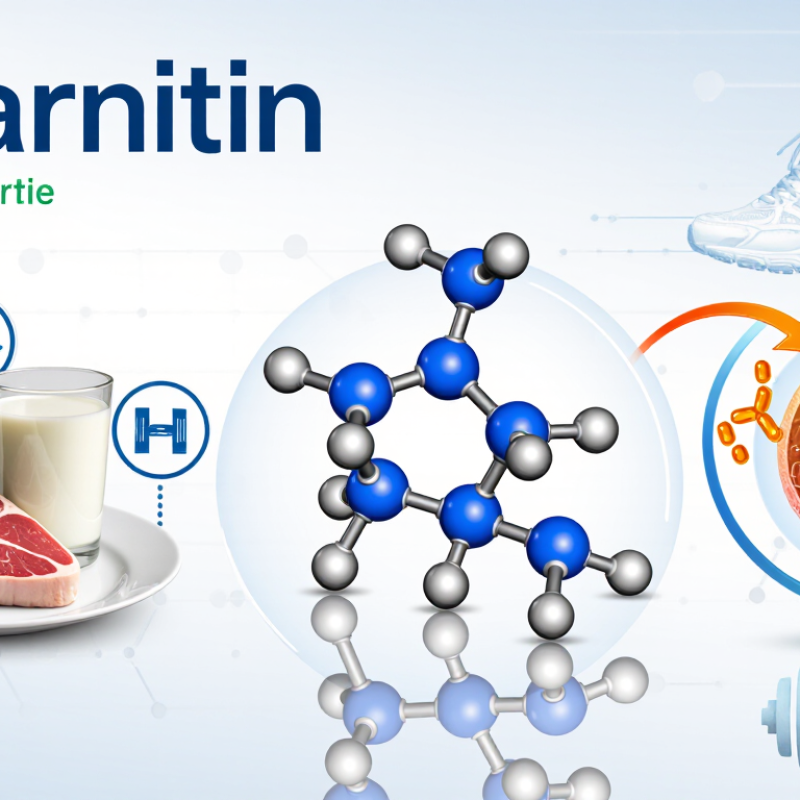
What Is L-Carnitine?
L-carnitine is a naturally occurring compound made from the amino acids lysine and methionine. It helps move long-chain fatty acids into mitochondria, where cells can use them to produce energy. Think of it as part of the cell’s fuel-delivery system, not fuel itself. That distinction matters.
The body makes carnitine, and food supplies it too. Red meat and dairy are common dietary sources; plant foods generally contain less. The NIH Office of Dietary Supplements reports that about 95% of the body’s carnitine is stored in skeletal and heart muscle. The National Academies’ Dietary Reference Intakes did not set a recommended intake, because healthy people can usually make enough. The terminology can feel less tidy than expected: carnitine is often discussed alongside amino acids, but it is not one of the standard protein-building amino acids. For most people, its role is a normal part of metabolism, not evidence that extra intake is needed.
How Is L-Carnitine Made and Obtained?
Your body makes L-carnitine from two amino acids, lysine and methionine, mainly in the liver and kidneys. The process also depends on nutrients such as vitamin C, iron, vitamin B6, and niacin. It is not a simple assembly line. Enzymes modify the starting compounds through several steps, and carnitine then travels to tissues, especially muscle, where much of the body’s supply is stored. Muscle itself has limited ability to make it.
Food is another source. Beef and other red meats generally provide more L-carnitine than fish, poultry, or dairy; most plant foods contain little. Commercial supplements are commonly produced through controlled microbial fermentation or chemical synthesis, followed by purification and quality testing. The production method alone does not confirm purity, so independent testing is worth checking. Labels may list different forms, and amounts can vary. That detail is easy to overlook. For most healthy people, food and natural production meet ordinary needs, though individual circumstances differ. A clinician can assess deficiency risks or medical conditions before supplementation.
What Is L-Carnitine and What Does It Do? — How Is L-Carnitine Made and Obtained?
| Topic | Key Information | How It Works or Where It Comes From |
| What L-carnitine is | L-carnitine is a compound that helps the body use certain fats for energy. It is sometimes described as a vitamin-like nutrient, but it is not a vitamin. | The body can make it, and it can also be obtained from food. L-carnitine is the naturally occurring form commonly discussed in human nutrition. |
| Main role in cells | It helps transport long-chain fatty acids into mitochondria, where they can be broken down to produce energy. | This transport process is known as the carnitine shuttle. Carnitine also helps manage certain acyl groups within cells. |
| How the body makes it | The body synthesizes carnitine from the amino acids lysine and methionine. | Synthesis occurs mainly in the liver and kidneys, with additional steps in other tissues. The process depends on nutrients including vitamin C, iron, vitamin B6, and niacin. |
| Food sources | Red meat generally provides the most dietary carnitine. Fish, poultry, and dairy products also provide it; plant foods typically contain much smaller amounts. | Amount varies with the food and portion. Dietary intake is separate from the carnitine the body produces itself. |
| How supplements are obtained | L-carnitine supplements are manufactured for use in products such as capsules, tablets, and liquids. | Manufacturing may use chemical synthesis or fermentation-based processes. Production methods and product quality can vary, so labels and independent quality testing matter. |
| Is it a direct fat burner? | No. L-carnitine has a role in fatty-acid metabolism, but that does not mean taking extra automatically increases fat loss. | In people without a deficiency, supplementation does not guarantee weight loss or improved exercise performance. Effects can depend on individual circumstances and the outcome being studied. |
| When medical guidance matters | Some people have rare inherited disorders that affect carnitine production or transport, and certain medical conditions or treatments can alter carnitine status. | Diagnosis and treatment should be guided by a qualified healthcare professional. Supplements may cause side effects and can interact with some medicines. |
In short: L-carnitine is made in the body and obtained from food. Its best-established role is helping transport long-chain fatty acids into mitochondria; supplements are not a guaranteed way to burn fat.
How Does L-Carnitine Support Energy Metabolism?
What Is L-Carnitine and What Does It Do?
How Does L-Carnitine Support Energy Metabolism?
L-carnitine helps transport long-chain fatty acids into mitochondria, the cell structures where fat can be oxidized for energy. Think of it as a shuttle: fatty acids are the cargo, and mitochondria are the destination. This role supports normal energy metabolism, but it does not mean taking extra carnitine automatically creates more energy.
The NIH Office of Dietary Supplements’ Carnitine Fact Sheet reports that about 95% of the body’s carnitine is found in skeletal and heart muscle. The body can also make carnitine from amino acids, and healthy adults usually produce enough. That distinction is easy to blur. A nutrient involved in energy production is not necessarily an energy-boosting supplement. Research on exercise performance has shown mixed results, and effects may depend on the person, dose, and study design.
Tips: Include carnitine-containing foods, such as meat and dairy, as part of a balanced diet. If you are considering supplements, check with a healthcare professional, especially if you have a medical condition or take medication. Small details matter.
What Are the Main Dietary Sources of L-Carnitine?
L-carnitine occurs naturally in foods, especially animal products. Red meat is generally the richest dietary source; a serving of cooked beef can provide substantially more than a similar serving of poultry or fish. Exact amounts vary with the cut, cooking method, and portion size. Food tables do not always agree.
Fish, chicken, and other meats also contribute L-carnitine, usually in smaller amounts. Milk and other dairy foods contain some too. Plant foods, including beans, grains, fruits, and vegetables, typically provide very little. That matters. People eating mostly plant-based diets may consume less from food, though the body can make L-carnitine from certain amino acids when it has adequate nutrients.
A plate of lentils and vegetables, for example, is not a meaningful direct source, while a small portion of meat may supply more. Still, dietary intake is only part of the picture: the body produces L-carnitine, and healthy levels depend on more than one meal. It is easy to overread a food list. Individual needs can differ, so anyone concerned about deficiency or a medical condition should seek advice from a qualified health professional.
What Is L-Carnitine and What Does It Do?
Main Dietary Sources of L-Carnitine
L-carnitine helps transport fatty acids into cells’ mitochondria, where they can be used for energy. The body also makes it from the amino acids lysine and methionine. Red meat is a particularly rich dietary source; poultry, fish, and dairy generally contain less. Values are approximate and can vary with food type and preparation.
What Are Its Uses, Potential Benefits, and Safety Considerations?
L-carnitine is a compound made by the body and found in foods such as meat and dairy. It helps move fatty acids into cells’ mitochondria, where they can be used for energy. Prescription levocarnitine treats specific deficiencies; supplements are also marketed for exercise and weight management. Those uses are not equally well supported.
A 2020 systematic review in Clinical Nutrition ESPEN pooled 37 randomized trials and found an average weight reduction of about 1.21 kilograms with supplementation. That is modest. It does not show that L-carnitine reliably improves athletic performance, and study results vary. The NIH Office of Dietary Supplements notes that evidence for several proposed benefits remains limited or mixed. A plausible mechanism is not proof of a meaningful result.
Safety deserves attention. The NIH fact sheet reports nausea, abdominal cramps, diarrhea, and a fish-like body odor, particularly at intakes around 3 grams daily or higher. People with seizure disorders should consult a clinician, as supplements may increase seizure risk. L-carnitine can also affect warfarin monitoring. Its possible link to the gut-derived compound TMAO remains an active research question, not a settled reason to predict individual harm. Discuss use with a healthcare professional, especially when taking medication or managing a medical condition.