






What Is an Emergency Eyewash and How Does It Work?
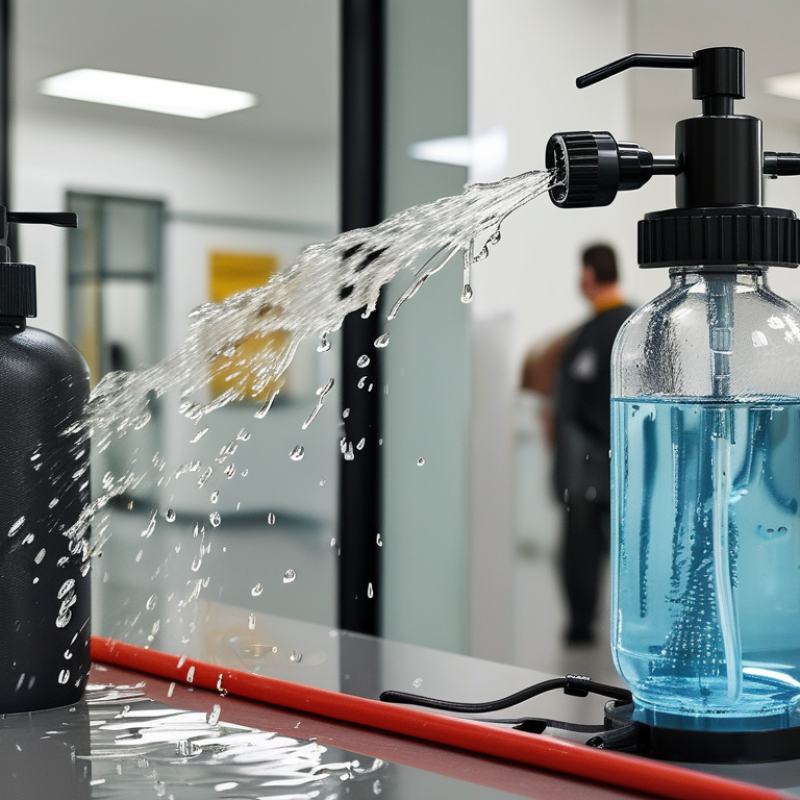
An Emergency Eyewash is a safety device designed to rinse hazardous substances from the eyes and face immediately after exposure. It usually includes two spray nozzles, a protective cover, a pull handle, and a steady water supply. When activated, the unit delivers a gentle, wide stream that lets the user keep both eyes open while flushing.
Dr. David Michaels, a public-health and workplace-safety expert, has emphasized the importance of rapid action. OSHA’s widely cited guidance states, “The first 10 to 15 seconds after exposure to a hazardous substance are critical.” That short window matters. A worker may reach the station with shaking hands, blurred vision, or only a few seconds of awareness. The eyewash must therefore be easy to see, easy to reach, and simple to activate.
This guide explains what an Emergency Eyewash does and how it works in real workplace conditions. It will examine water flow, activation methods, flushing duration, inspection routines, and common placement mistakes. Many facilities test their units, yet testing may become a rushed weekly task. A clean-looking station can still contain stagnant water or blocked nozzles. That uncomfortable detail deserves attention.
The safest approach combines suitable equipment, regular maintenance, employee training, and prompt medical evaluation. An eyewash cannot remove every risk. It can, however, provide crucial first response while professional help is arranged. The following sections clarify its purpose, operating principles, and practical limits.
Emergency Eyewash Definition and ANSI Z358.1 Safety Purpose
What Is an Emergency Eyewash and How Does It Work?
An emergency eyewash is a plumbed or self-contained device for flushing hazardous substances from the eyes. It releases clean water through two gentle streams. The user pushes a lever, steps on a plate, or pulls a handle. Water should flow immediately and remain active without holding the control.
ANSI/ISEA Z358.1-2014 (R2020) defines key safety expectations for emergency eyewashes. The unit should deliver flushing fluid for at least 15 minutes. Its water should be tepid, generally between 60°F and 100°F. Activation should take one second or less. The device must stay hands-free after activation. It should also be reachable within 10 seconds from the hazard, on the same floor, without blocked access.
That detail matters.
NIOSH safety materials estimate that about 2,000 U.S. workers suffer job-related eye injuries requiring medical treatment each day. Many incidents involve dust, chemicals, or flying particles. An eyewash cannot prevent exposure, but it can reduce contact time after an accident. Supervisors should inspect flow, cleanliness, access, and water temperature regularly. Weekly activation checks can reveal blocked nozzles or weak pressure. However, a running test alone may create false confidence. A unit can function today yet remain poorly placed for an actual emergency. Workers also need practical training, because panic can delay even a simple response.
What Is an Emergency Eyewash and How Does It Work? - Emergency Eyewash Definition and ANSI Z358.1 Safety Purpose
| Data Dimension | Emergency Eyewash Information | Key Safety Requirement or Practical Meaning | Reference Context |
|---|---|---|---|
| Definition | An emergency eyewash is a device that delivers a controlled flow of flushing fluid to both eyes at the same time. | It is intended for immediate use after the eyes have been exposed to hazardous chemicals, dust, particles, or other harmful substances. | ANSI/ISEA Z358.1 emergency equipment principles |
| Primary Purpose | To dilute and remove hazardous material from the eyes before further medical treatment is available. | Immediate flushing can help reduce contact time and may limit the severity of an eye injury. It does not replace professional medical evaluation. | Workplace emergency response practice |
| How It Works | When the actuator is pushed or pulled, valves open and flushing fluid flows through two outlets toward the user’s eyes. | The user should hold the eyelids open, keep both eyes in the flushing stream, and continue rinsing while obtaining medical assistance. | Emergency eyewash operating procedure |
| Activation Time | The device should activate within 1 second or less. | The actuator must be easy to locate and operate without requiring a separate key, tool, or complex adjustment. | ANSI/ISEA Z358.1 performance criterion |
| Hands-Free Operation | The eyewash should remain open after activation. | This allows the user to keep both hands available to hold the eyelids open during flushing. | ANSI/ISEA Z358.1 design principle |
| Minimum Flushing Duration | At least 15 minutes of continuous flushing capability. | The water supply or stored-fluid capacity should support uninterrupted flushing for the required period. | ANSI/ISEA Z358.1 emergency flushing requirement |
| Eyewash Flow Rate | At least 0.4 gallons per minute (1.5 liters per minute) for a plumbed eyewash. | The flow should be sufficient to flush both eyes while remaining gentle enough to avoid causing additional injury. | ANSI/ISEA Z358.1 performance criterion |
| Fluid Temperature | Tepid fluid, generally between 60°F and 100°F (16°C and 38°C). | Extremely cold or hot fluid can discourage continued flushing or cause additional tissue damage. | ANSI/ISEA Z358.1 tepid-fluid requirement |
| Flow Pattern | The streams should rise to a suitable height and form a gentle, controlled pattern that reaches both eyes simultaneously. | The flow should not be sharp, excessively turbulent, or directed in a way that could injure the eyes. | ANSI/ISEA Z358.1 functional performance principles |
| User Position | The user should be able to place both eyes directly in the flushing streams while standing comfortably. | Eye-contamination hazards should be flushed immediately at the device rather than requiring the user to search for controls or reposition equipment. | Emergency equipment usability principle |
| Location and Access | The eyewash should be located in the same work area as the hazard and be reachable without barriers. | The path must be unobstructed, clearly identified, and accessible without doors, steps, or stored materials delaying use. | ANSI/ISEA Z358.1 location and accessibility principles |
| Travel Time | The device should generally be reachable within 10 seconds from the hazard. | The exact placement should consider the nature of the hazard; highly corrosive materials may require equipment closer to the exposure point. | ANSI/ISEA Z358.1 location guidance |
| Mounting Height | For a wall-mounted eyewash, the flushing-fluid outlets are commonly positioned 33 to 53 inches (83.8 to 134.6 centimeters) above the floor. | The installation should also provide sufficient clearance from adjacent walls or obstructions for safe use. | ANSI/ISEA Z358.1 installation criterion |
| Water Supply | Plumbed units use a connected potable-water supply; self-contained units use a stored flushing fluid. | The supply must be suitable for emergency eye flushing and maintained according to the equipment instructions and applicable requirements. | Emergency eyewash system types |
| Self-Contained Units | Self-contained eyewashes contain flushing fluid in a tank or reservoir and do not require a permanent water connection. | They are useful where plumbing is unavailable, but the fluid must be monitored, replaced, and maintained to prevent contamination. | ANSI/ISEA Z358.1 self-contained equipment principles |
| Inspection Frequency | Plumbed emergency eyewashes should be inspected and activated weekly. | Weekly activation helps verify operation, clear stagnant water from the supply line, and identify leaks or obstructions. | ANSI/ISEA Z358.1 inspection guidance |
| Maintenance Checks | Routine checks include cleanliness, unobstructed access, correct signage, valve operation, outlet condition, water temperature, and adequate flow. | Deficiencies should be corrected promptly, and maintenance records should be retained where required by workplace procedures. | Emergency equipment maintenance practice |
| Personal Protective Equipment | An emergency eyewash is a secondary protective measure, not a substitute for safety glasses, goggles, face shields, engineering controls, or safe work procedures. | Appropriate eye and face protection should be selected based on the specific chemical and exposure hazard. | Workplace hazard-control hierarchy |
| Response After Exposure | Begin flushing immediately, remove contact lenses if they come out easily during flushing, and seek medical attention. | Consult the chemical safety data sheet and follow site emergency procedures; do not delay flushing while searching for instructions. | General chemical-exposure response guidance |
| Combination Equipment | A combination unit may provide an emergency shower together with an eyewash or eye/face wash. | Combination equipment is appropriate when both eye exposure and full-body chemical exposure are credible hazards. | ANSI/ISEA Z358.1 emergency shower and eyewash categories |
Safety note: ANSI/ISEA Z358.1 provides performance, installation, use, and maintenance criteria for emergency eyewash and shower equipment. Local regulations, workplace hazard assessments, chemical safety data sheets, and the latest applicable edition of the standard should also be followed.
