China Top Bicycle End Caps Manufacturers and Suppliers
Bicycle End Caps may be small, but their fit can affect how a wheel is supported, protected, and assembled. For bicycle brands and component buyers, choosing a supplier in China involves more than comparing unit prices. Axle dimensions, material choice, surface finish, and production consistency all deserve attention. A cap that looks correct in a catalogue may still fail to match a specific hub or frame. Small details matter.
This guide introduces China-based Bicycle End Caps manufacturers and suppliers, along with practical points to check before requesting a quotation. Buyers can compare machining or moulding capabilities, available materials, sample policies, minimum order quantities, and quality-control procedures. Ask for dimensioned drawings and confirm tolerances against the intended assembly. A close-up product photo helps, but it cannot replace a measured sample. Fit comes first.
Supplier claims should be checked, not simply repeated. Request relevant test records, clarify how changes are approved, and confirm packaging protects parts from scratches or contamination during shipping. Communication can also reveal useful details: does the supplier answer technical questions clearly, or only send a price list? That difference is easy to overlook. No single supplier will suit every order, and public information may not show current capacity. Use this overview as a starting point, then verify specifications, samples, and lead times directly before making a purchasing decision.
What Bicycle End Caps Are and Their Role in Bicycle Components
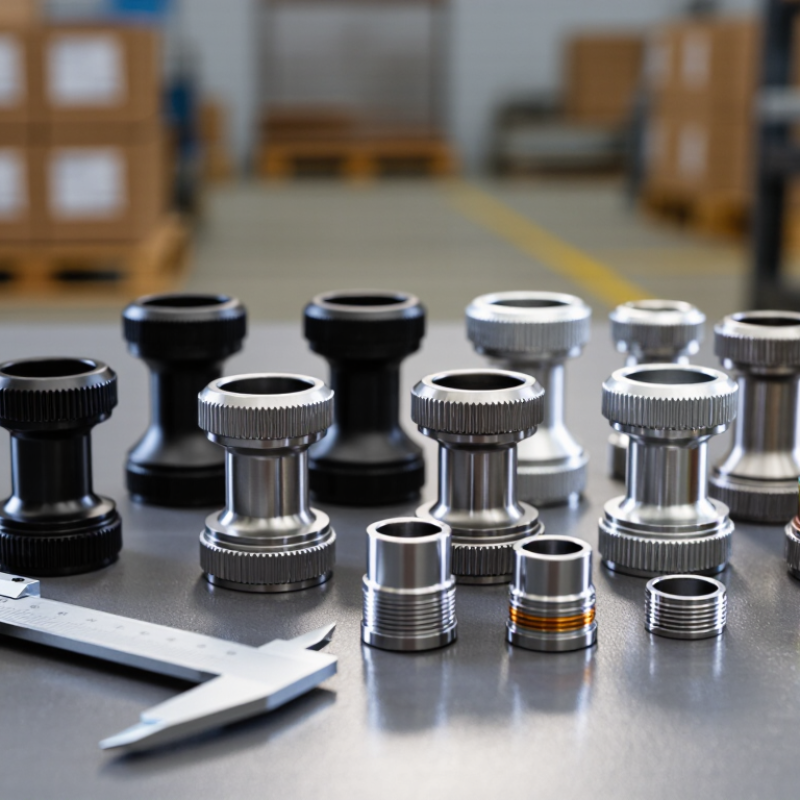
Bicycle end caps are small fittings placed at the ends of certain components. The term can refer to different parts, so check the location and dimensions before ordering. On many hubs, end caps sit on the axle ends and help position the wheel in the frame or fork. They can also shield exposed interfaces from dust and splashes. Small parts matter.
Handlebar end plugs serve another purpose. They close open bar ends, cover sharp edges, and help keep dirt out. Some frame or cable systems use caps to cover tube openings or finish cable housing. These pieces are not interchangeable. A hub cap needs the correct axle standard, while a bar plug must match the handlebar’s inner diameter.
Materials include aluminum, steel, and molded polymers. Metal caps can feel sturdy, while polymer parts are often light; performance depends on design and use. Fit is crucial. A loose cap can shift, and forcing an incorrect one may damage a component. Check measurements and installation guidance. It is easy to focus on color and overlook the interface. If a cap is missing or worn, inspect the surrounding axle, hub, or bar end for damage before fitting a replacement.
Common Types, Materials, and Specifications of Bicycle End Caps
Bicycle end caps commonly include hub axle caps, thru-axle adapters, and dust or bearing covers. Hub caps define the interface between the hub and frame or fork. Common formats include 12×100 mm and 12×142 mm thru-axle spacing, plus 15×110 mm front spacing. Quick-release hubs often use 100 mm front and 135 mm rear spacing. Measure the hub, not just the frame.
Aluminum alloy keeps caps light and resists corrosion; stainless steel suits high-wear contact areas. Polymer covers help block grit but may wear sooner. Check axle diameter, hub spacing, bearing-seat shape, and seal position. Small errors matter. A cap can appear seated while leaving a narrow gap that admits water. ISO 4210-2:2023 outlines bicycle safety requirements and test methods, though it does not prescribe one universal end-cap interface.
Market data adds context, not a substitute for fit checks. PeopleForBikes’ 2023 U.S. Bicycle Industry Data report put 2022 bicycle sales at about US$8.2 billion. That scale makes consistent replacement specifications useful for suppliers and repair shops. Still, published size labels can omit shoulder depth or bearing contact details. Verify those dimensions with calipers before ordering.
China’s Bicycle End Cap Manufacturing and Supply Landscape
China’s bicycle end cap supply landscape includes machining workshops, component specialists, and larger factories serving export orders. These parts look simple, yet small differences in bore diameter or shoulder height can affect axle fit and bearing preload. Fit matters. Buyers should confirm drawings, materials, surface treatments, and inspection methods before comparing prices. Aluminum alloy, stainless steel, and engineering polymers each suit different weight, wear, and corrosion needs.
A useful supplier review checks more than a polished sample. Ask how dimensions are measured, how often production parts are sampled, and how revisions are recorded. For machined caps, inspect deburring and concentricity; for coated parts, check that finish does not obstruct contact surfaces. Small parts, real consequences. Clear packaging labels and lot records also help teams trace mismatches after delivery. China’s broad manufacturing base can support prototypes and recurring orders, but lead times and consistency vary by process and factory. A sample may not reveal batch variation. That is an easy detail to underestimate. Confirming a pilot batch against the approved drawing can expose issues before routine supply begins.
Representative Bicycle Hub End-Cap Interface Spacing Standards
The chart shows common nominal hub spacing standards in millimeters. End-cap fitment depends on the hub and axle system; matching the spacing alone does not guarantee compatibility.
How to Evaluate Chinese Bicycle End Cap Manufacturers and Suppliers
When evaluating Chinese bicycle end cap manufacturers, check process control, not just quoted price. The China Bicycle Association’s 2023 industry review reported about 48.8 million bicycles produced nationwide. That scale shows a mature supply base, but it does not prove a small end cap will fit consistently. Treat the figure as context, not a quality certificate. Ask for material certificates, dimensional inspection records, and batch traceability. For a sample, measure the bore and outer diameter with calibrated tools, then check fit on the actual axle or hub. A polished finish can hide a poor tolerance. It happens.
Review how the supplier handles production changes. Request a drawing revision history, first-article inspection, and documented checks for corrosion and retention. ISO 4210 provides relevant bicycle safety requirements, but buyers should confirm which clauses apply to their specific component and assembly. Do not assume a generic certificate covers every end cap. Compare samples from separate production runs, not only hand-picked prototypes. Ask about minimum order quantities, tooling ownership, lead times, and corrective-action records. A detailed audit may take longer than expected, and smaller suppliers may keep less formal paperwork. That is not an automatic rejection, but gaps should be closed with clear inspection criteria before approval.
Sourcing, Quality Control, and Customization Considerations
China’s bicycle end-cap suppliers vary in machining precision, material control, and finishing consistency. Grand View Research estimated the global bicycle market at USD 64.6 billion in 2023, with projected growth through 2030. This market figure signals demand, not end-cap demand specifically. Buyers should still verify each supplier’s process with samples, drawings, and documented inspection results.
For sourcing, compare alloy or polymer specifications, axle fit, wall thickness, and surface treatment. Ask for dimensional reports covering critical bore and outside-diameter tolerances. Check whether color anodizing changes fit, especially on a narrow end cap. Corrosion testing can help assess finishes; agree on the test method and acceptance criteria before production. Request batch traceability and a written defect-handling process. A polished sample is useful, but it may not represent routine production. That gap deserves attention.
Tips: Send a dimensioned drawing with datum points, material, finish, and tolerance ranges. Approve a pre-production sample, then inspect pieces from the actual batch. Specify packaging too; loose metal parts can scratch one another during transit. Custom colors or logos are feasible, but confirm minimum order quantities and lead times in writing.