
Choosing a reliable Handicap Stair Lift manufacturer in China requires more than comparing factory prices. A lift carries a person between floors, often several times each day. Its rail accuracy, seat stability, battery backup, and emergency controls directly affect daily confidence. This guide introduces ten Chinese manufacturers associated with residential and commercial mobility solutions, while examining their product focus, customization ability, export experience, and service support.
The evaluation considers practical details that buyers and installers often notice. These include straight and curved rail options, weight capacity, foldable seats, swivel mechanisms, charging systems, installation guidance, spare-part availability, and warranty terms. Factory certifications and documented quality procedures also matter. However, a certificate alone cannot prove dependable field performance. Supplier communication, sample testing, and clear technical drawings remain essential. Small details matter, such as whether the charging contacts align correctly or whether the remote control remains usable from the landing.
This overview aims to provide a balanced starting point for distributors, care facilities, contractors, and families. It does not treat the ranking as permanent. Manufacturing capabilities, prices, and after-sales networks can change. Some company information may also appear clearer in brochures than in real installations. That is worth questioning. Readers should verify current certifications, user manuals, production capacity, local service arrangements, and return policies before making a decision. A suitable Handicap Stair Lift should fit the staircase, user’s mobility needs, building conditions, and long-term maintenance budget. The strongest manufacturer is not always the cheapest. It is the one that can explain its design choices, document performance, and respond responsibly when something goes wrong.
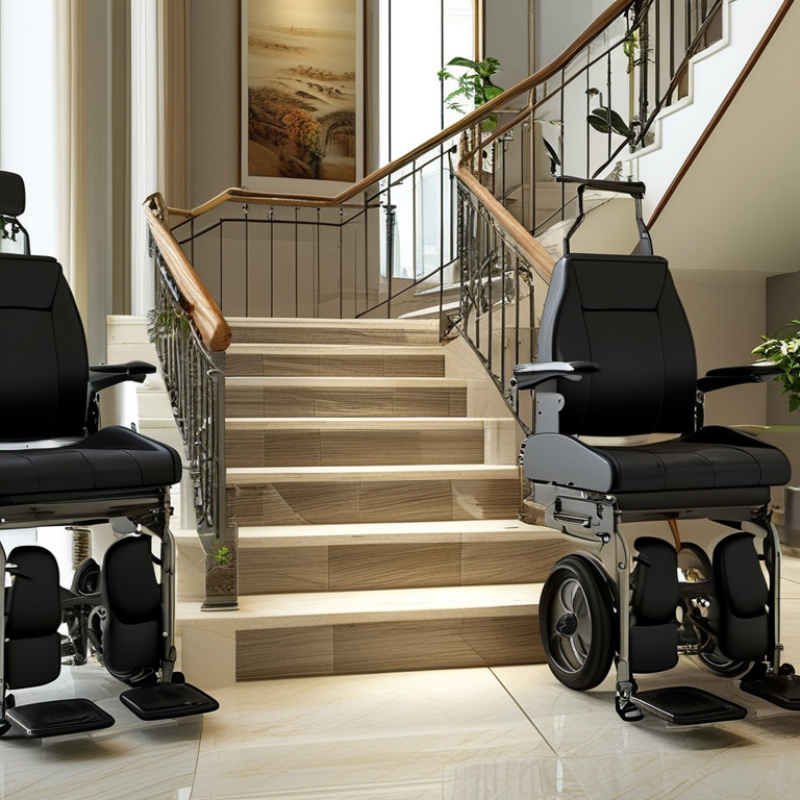
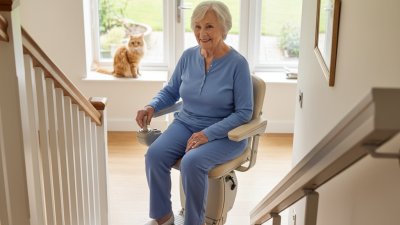
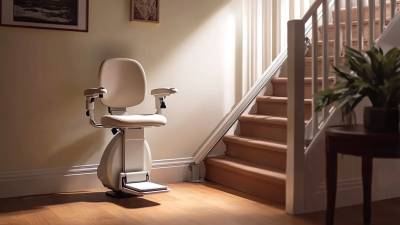
A handicap stair lift is a motorized seat that travels along a rail fixed beside a staircase. It helps people with limited mobility move between floors without climbing steps. Most systems include a swivel seat, safety belt, footrest, obstruction sensors, and battery backup. The controls are usually simple: press and hold, then release to stop.
The need is substantial. The World Health Organization’s Global Report on Health Equity for Persons with Disabilities estimates that 1.3 billion people experience significant disability worldwide. In the United States, AARP’s 2021 Home and Community Preferences Survey found that 77% of adults aged 50 and older want to remain in their current homes. A stair lift can support that goal by reducing transfer risks and preserving daily routines, such as reaching a bedroom or bathroom upstairs.
Good installation requires more than choosing a motor rating. A trained assessor should check stair width, landing space, user posture, weight capacity, emergency lowering, and power-failure operation. Curved stairs may need a custom rail, while narrow stairs can limit safe foot placement. It is not a magic fix. Some users still need help transferring into the seat, especially after surgery or a fall. Independent inspection and careful user training matter. Personal experience also reveals an overlooked issue: a quiet, smooth ride often builds more confidence than impressive speed.
Evaluating China’s top 10 handicap stair lift manufacturers requires more than comparing prices. Start with the factory’s documented experience in residential and public-access installations. Ask for production records, testing procedures, and recent project references. A reliable supplier should explain load limits, rail materials, battery performance, and emergency lowering procedures clearly.
Inspect the product details closely. Does the seat lock securely on landings? Can the controls be used with limited hand strength? Request videos of repeated cycle tests, not only polished showroom footage.
Verify electrical certifications for your target market, along with risk assessments and user manuals in accurate English. Vague certificates deserve careful questioning. They may be outdated or unrelated to the exact model.
After-sales support often separates capable manufacturers from weak suppliers. Confirm spare-part availability, technician response times, warranty exclusions, and remote troubleshooting methods. Ask how the company handles a failed battery during a power outage. A written service agreement is stronger than a friendly promise. Factory audits can reveal housekeeping, inspection records, and whether final testing is consistent. However, one visit cannot prove long-term reliability. My own evaluation would include independent testing and feedback from actual users. A low quotation may look attractive, but missing installation support can create expensive delays. Even the best checklist has limits, especially when local building conditions differ from factory demonstrations.
China’s top 10 handicap stair lift manufacturers should be compared through products, technology, and customization.
The World Health Organization reports that 1.3 billion people, or 16% of the global population, experience significant disability. This creates demand for safer home mobility equipment.
Product checks should cover straight, curved, outdoor, and heavy-duty stair lifts. Look for folding seats, swivel arms, obstruction sensors, emergency lowering, and battery backup. A 2024 Stairlifts Market report estimated global market growth at about 5% annually through 2032. That growth does not guarantee equal quality.
Buyers should request load-test records, battery-cycle data, and measured stopping distances.
Technology matters in daily use. Compare rail noise, motor smoothness, remote controls, diagnostic displays, and charging performance during power failures. EN 81-40 compliance can support safer evaluation, but certificates require verification.
Customization may include rail geometry, seat width, upholstery, footrest height, color, and control-side selection. For narrow stairs, measure the folded unit at the tightest landing. For outdoor installation, ask about waterproof housing and corrosion-resistant fasteners.
One overlooked issue is service access. A compact lift may fit beautifully, yet replacement parts could take weeks. Manufacturers should provide installation drawings, user training, warranty terms, and local maintenance contacts.
Some product brochures remain vague. That is worth questioning.
China Top 10 Handicap Stair Lift Manufacturers
When reviewing China’s top ten handicap stair lift manufacturers, safety evidence should outweigh promotional claims. Reliable manufacturers explain which national and destination-market standards their lifts meet. They should provide test reports for braking systems, seat belts, limit switches, emergency stops, and battery backup. A safe lift must stop smoothly on a wet-looking, polished rail, not jerk near the top landing.
Quality control happens before installation. Ask about incoming material checks, weld inspections, motor testing, and full-load trials. Request a recorded test using the stated maximum user weight. ISO 9001 certification can support process reliability, but it does not replace product testing. A clean factory tour helps, yet it is not proof. I have learned that paperwork may look stronger than daily assembly discipline.
Tips: Compare warranty terms, spare-parts storage, technician training, and response times. Ask who handles repairs after installation. Confirm whether remote support is available when a lift stops on a staircase. Check the manual for emergency lowering instructions and battery replacement intervals. After-sales service should include clear installation guidance, fault codes, and accessible replacement parts. Some suppliers promise fast support but define “fast” vaguely. Put response times, coverage areas, and exclusions in writing. Safety depends on maintenance, and users should not be left guessing.
This chart presents a neutral due-diligence weighting model for evaluating Chinese handicap stair lift manufacturers. Safety standards receive the highest weight because compliance with applicable requirements such as EN 81-40, ASME A18.1, ISO 9386-2, and relevant Chinese standards is essential. Quality control covers testing, traceability, inspection, and production consistency, while after-sales service considers installation support, spare-parts availability, warranty handling, and technical response. The percentages are evaluation weights rather than company rankings or brand-specific performance data.
Choosing among the top ten handicap stair lift manufacturers requires more than comparing catalog prices. The World Health Organization estimates that 1.3 billion people live with significant disabilities worldwide. Meanwhile, the United Nations expects the global population aged 65 and above to reach 1.6 billion by 2050. Demand is growing, but product quality and service coverage remain uneven.
Typical straight-rail systems cost about US$2,500–6,000, while curved installations may exceed US$8,000. These figures vary with rail length, battery capacity, installation, and building access. Grand View Research identifies accessibility equipment as a steadily expanding market through 2030. However, market forecasts can differ because companies define product categories differently. Treat projections carefully.
Export capability needs practical verification. Ask for installation manuals, spare-parts lists, warranty terms, and shipping records. Check whether the manufacturer supports voltage requirements in your destination market. A reliable supplier should explain delivery duties clearly and provide remote troubleshooting procedures. It should also document load testing and emergency lowering functions.
Look beyond the lowest quotation. A cheaper lift may require expensive local modifications. I would compare the five-year ownership cost, not only the invoice. Review factory audit evidence, response times, replacement-part availability, and training for installers. Some evaluations still overlook staircase measurements. That is a costly mistake. A manufacturer with transparent limits may be safer than one promising everything.